Poetry has always had the power to evoke deep emotions and offer new perspectives, but it’s now breaking away from traditional formats like dense anthologies and academic discussions. Contemporary poets are at the forefront of this change, crafting language that speaks directly to personal experiences and reflecting themes that resonate with our daily lives.
This transformation is not just about new methods of sharing and enjoying poetry; it’s a profound redefinition of its very essence and its role in our lives today. Poetry continues to touch our souls, spark our thoughts, and help us see the ordinary in extraordinary ways.
Echoing Dylan Thomas’s words, poetry can still incite laughter, tears, silence, or even an impromptu toe-tap. Whether you’re seeking inspiration, solace, or simply a connection, today’s poetry scene offers something for every mood and moment.
The Rise of Contemporary Voices
Times have changed, and while the core literary value of poetry remains, its form and format have evolved dramatically. Leading this transformation are poets like Rudy Francisco, Andrea Gibson, J.M. Storm, Phil Kaye, Atticus, and Suhaib Rumi. Each brings a distinctive voice to the table, vividly capturing themes such as love, identity, social justice, and personal growth. Their work goes beyond traditional reading—it’s a profound experience that resonates deeply with readers around the world.
These poets are not just writing words; they are crafting experiences that connect with us on a personal level, challenging us to explore deeper truths about our lives and our world. Their influence is reshaping how we interact with poetry, making it a more immersive and emotionally impactful part of our lives today.
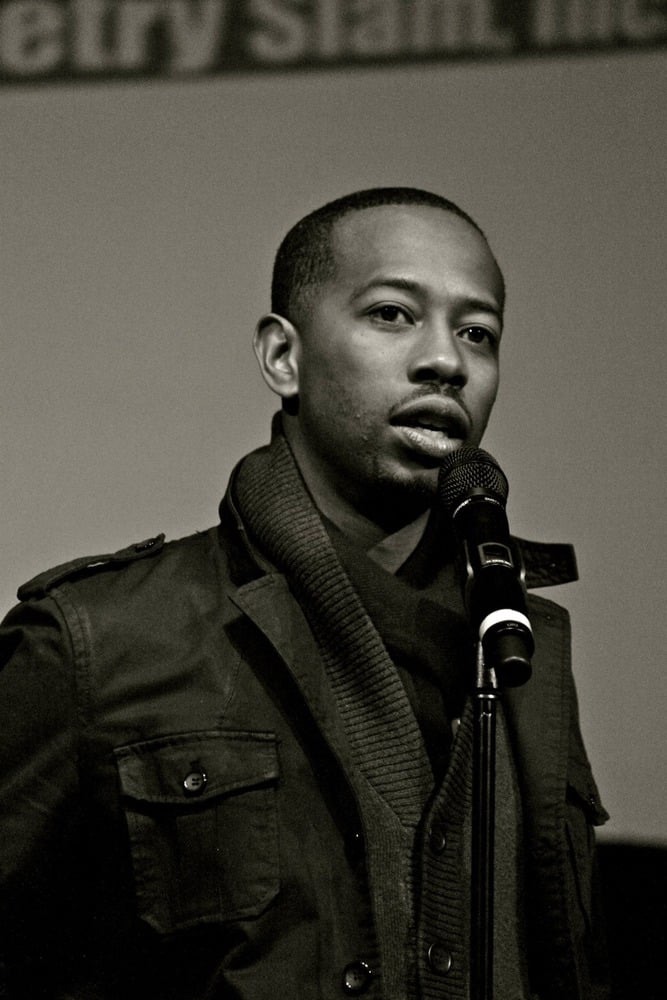
Rudy Francisco – a personal favorite
Rudy Francisco’s poetry is a vivid interplay of vulnerability and strength, where personal reflections meet sweeping societal issues. His ability to articulate intimate emotions and broader political themes with equal intensity makes his work compelling. When Francisco performs, it’s not just a recital of words; it’s an evocative experience that captivates and engages. His dynamic delivery resonates deeply, forging a powerful emotional connection with his audience.
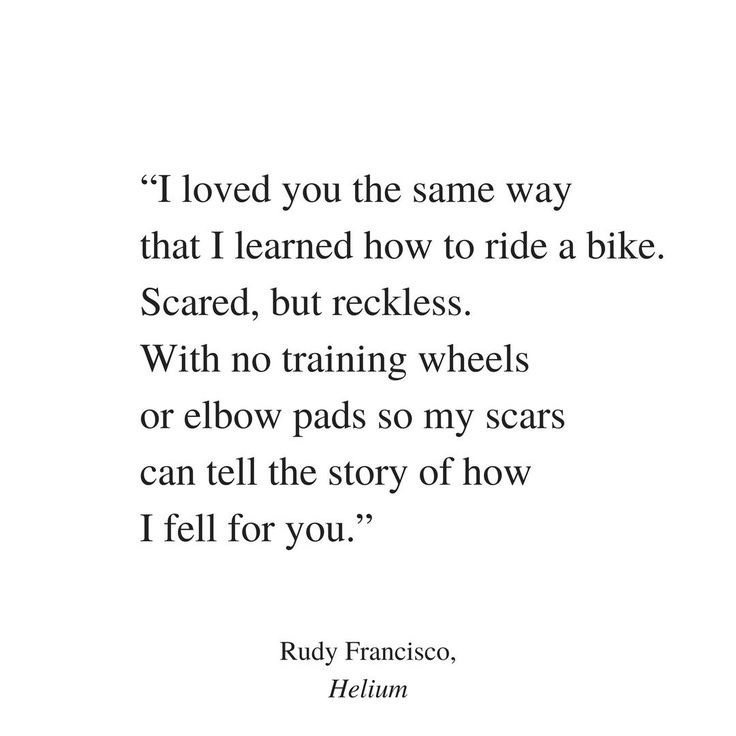
Francisco’s performances are notable for their intensity and authenticity. Each word he delivers is charged with meaning, designed to not just be heard but felt, allowing the audience to experience every nuance of emotion and insight he embeds in his poetry. This immersive experience is what sets his work apart, as he masterfully closes the gap between performer and listener. In doing so, Francisco transforms each piece into a shared emotional journey, making his poetry a live experience that’s not just observed but profoundly lived and felt. His unique approach allows the audience to experience poetry in a transformative way, bridging the personal and the collective, and ensuring that the impact of his words lingers long after the performance ends.

Andrea Gibson navigates the complex terrains of gender, love, and societal change with a deft hand, weaving the intimately personal with the universally resonant. Their poetry forms a vivid tapestry of raw emotion, acting both as a mirror reflecting our deepest feelings and as a window into broader human experiences. Through their verses, Gibson opens up pathways for self-discovery and empathy, shedding light on the diverse aspects of loving, struggling, and evolving in a dynamic world.
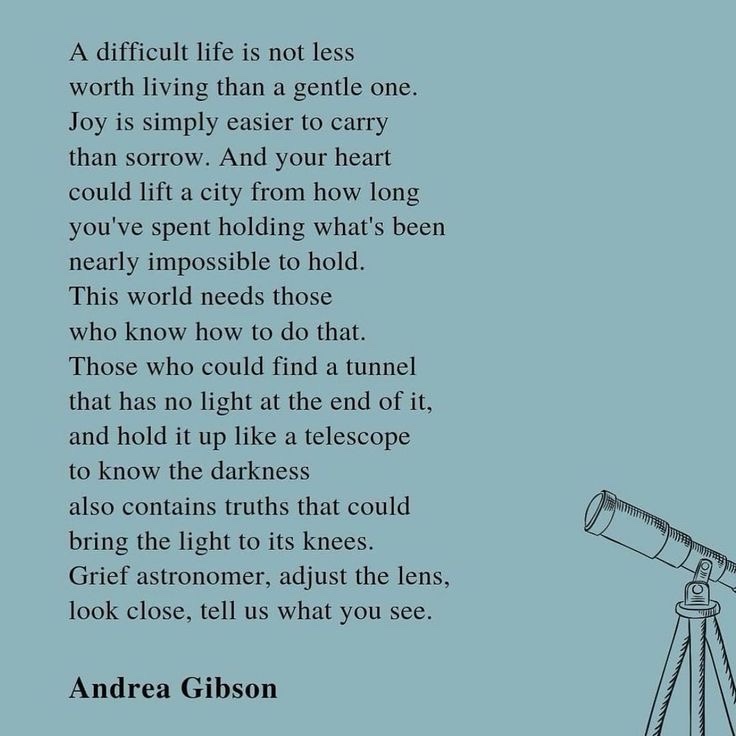
Their work, rich in emotion and insight, challenges readers to confront their own perceptions and prejudices, urging them toward a deeper understanding of themselves and others. By exploring themes such as identity, activism, and the human condition, Gibson’s poems inspire us to consider our place within the larger tapestry of society. Each line is crafted with care, inviting us to engage more fully with the world around us and within us, making Gibson’s poetry not just a body of work to be read, but an experience to be lived.
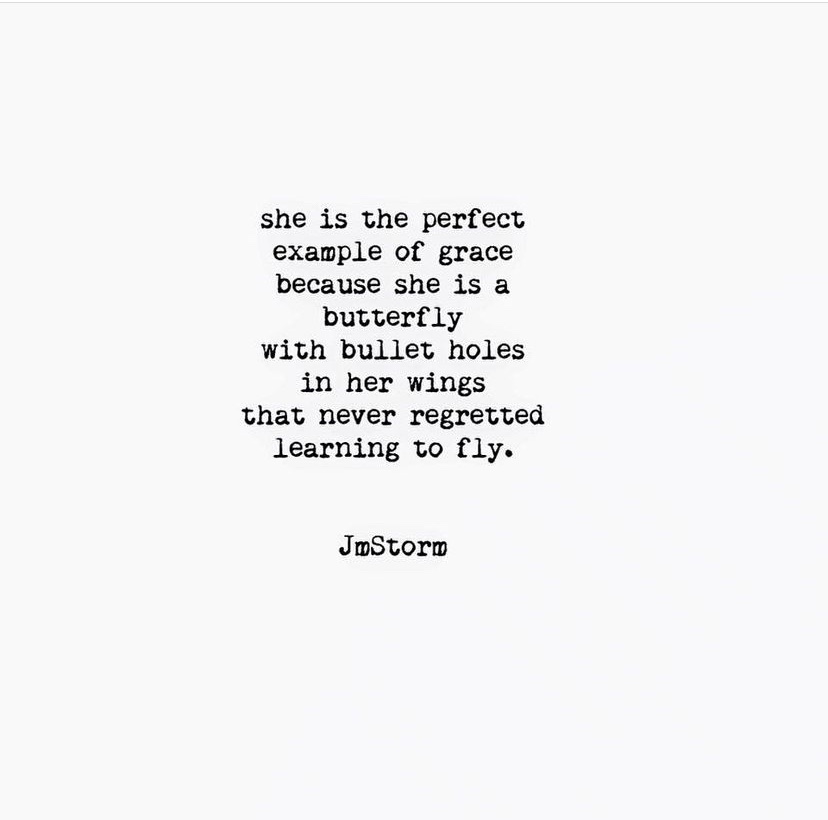
Jonathon Muncy Storm (J M Storm) has a unique way of capturing the complexity of human emotions with striking simplicity. His verses, often brief but deeply meaningful, resonate with readers, leaving a lasting impression. These snippets of wisdom and emotion delve into the universal experiences of love and loss, speaking directly to the heart. Storm’s poetry has a way of staying with you, echoing long after you’ve turned the page, reminding us of the enduring power of well-chosen words and the deep resonance they can invoke within us.
His talent lies in his ability to evoke vivid imagery and profound emotion with just a few sparse lines. Each poem is a distilled essence of life’s most poignant moments, offering a reflection that is both personal and universal. Readers find themselves returning to his words during times of need or contemplation, as Storm’s verses serve as both comfort and catalyst, encouraging introspection and a deeper engagement with our own emotional landscapes.
This haunting permanence, a hallmark of Storm’s poetic style, underscores the power of poetry to connect us more deeply to ourselves and each other, bridging the gaps between our shared experiences of love, pain, joy, and loss. Through his succinct and powerful poetry, Storm reminds us that sometimes the simplest words are the most moving and memorable.

Phil Kaye’s poetry dances with a rhythm and vividness that not only captivates listeners but also draws them into a narrative space that transcends the personal. His work explores profound themes such as family, memory, and identity, demonstrating the immense power that stories have to connect us across various dimensions of time and space. Each poem serves as a conduit for shared experiences, weaving a rich tapestry that resonates with a wide audience.
Kaye’s mastery of narrative poetry allows him to craft stories that feel both intimate and universal, highlighting the commonalities that link us despite our diverse backgrounds. His ability to harness the evocative power of words transforms personal anecdotes into universal truths, striking chords with readers who see reflections of their own lives in his narratives. Through his skillful storytelling, Kaye does more than just tell a story; he builds bridges between disparate experiences, fostering a sense of unity and understanding.
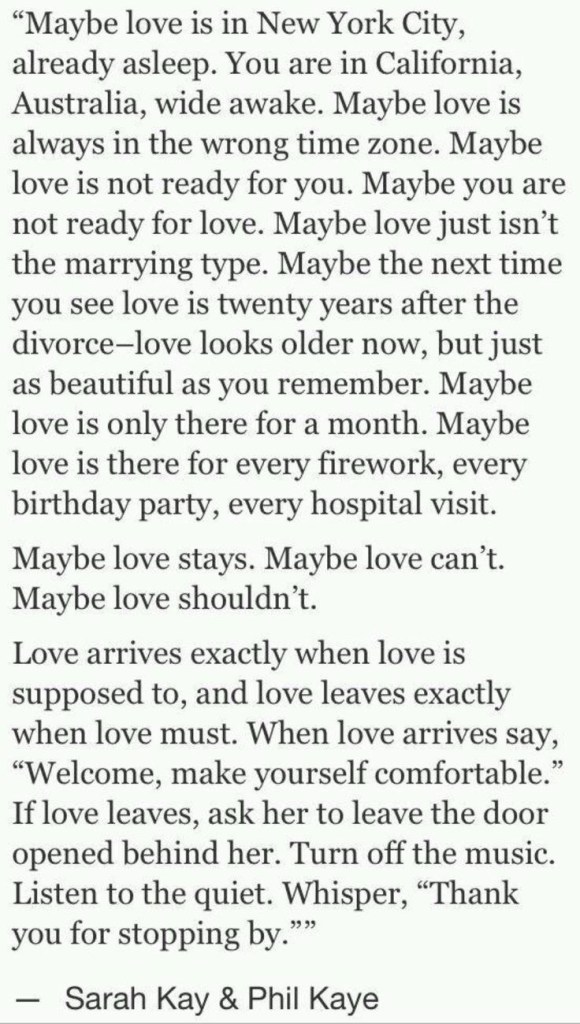
As Kaye delves into the delicate interplay of relationships, the echoes of past memories, and the foundational elements of identity, his poems illuminate the threads that bind humanity together. His work is a reminder of how deeply interconnected our lives are and how the art of storytelling can reveal profound truths about our existence. Through his poetic explorations, Phil Kaye invites us to look beyond our individual experiences and appreciate the rich, complex web of life that connects us all, enhancing our appreciation for the shared journey of human life.
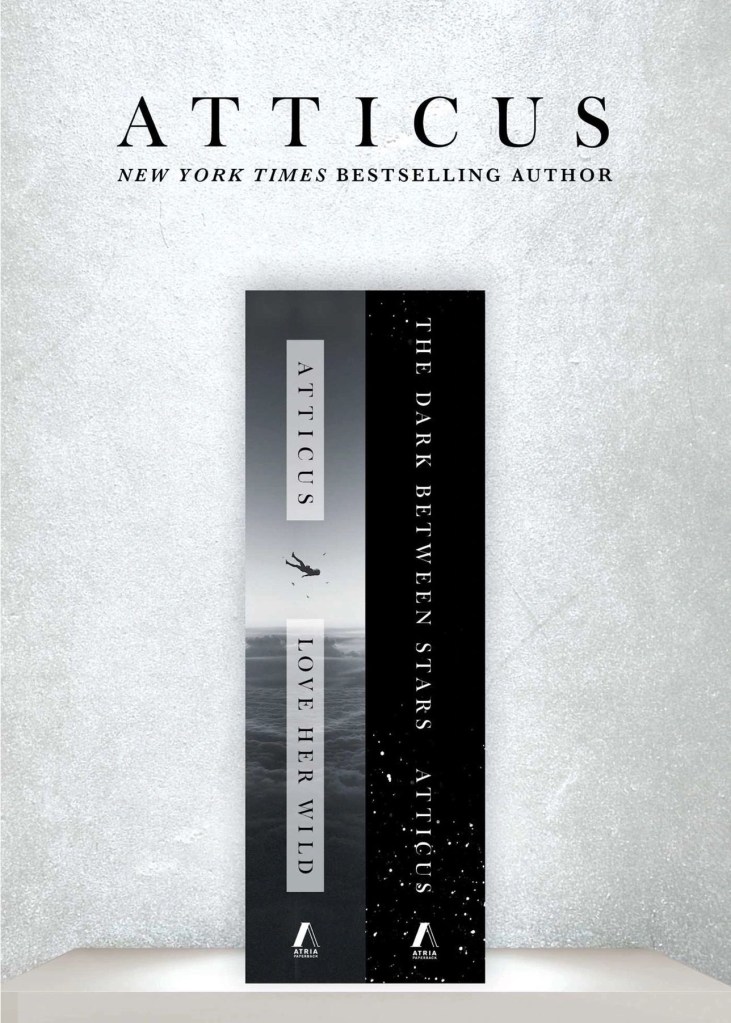
Atticus, an enigmatic poet who cherishes his anonymity, lets his poetry stand on its own, unshadowed by his personal life. His verses, imbued with longing and a sprinkling of whimsy, masterfully capture the fleeting beauty hidden within the chaos of modern life. Atticus has a unique ability to highlight brief, yet profoundly beautiful moments, guiding his readers to discover the magic lurking in the mundane.
His work often reflects a delicate balance between reality and fantasy, providing a breath of fresh air for those caught in the relentless pace of contemporary routines. Through his succinct and poignant imagery, Atticus’s poetry invites us to pause and appreciate the wonders that unfold around us every day. Whether it’s the quiet majesty of a city at dawn or the intimate gesture of a loved one, he finds and shares the extraordinary in the ordinary.
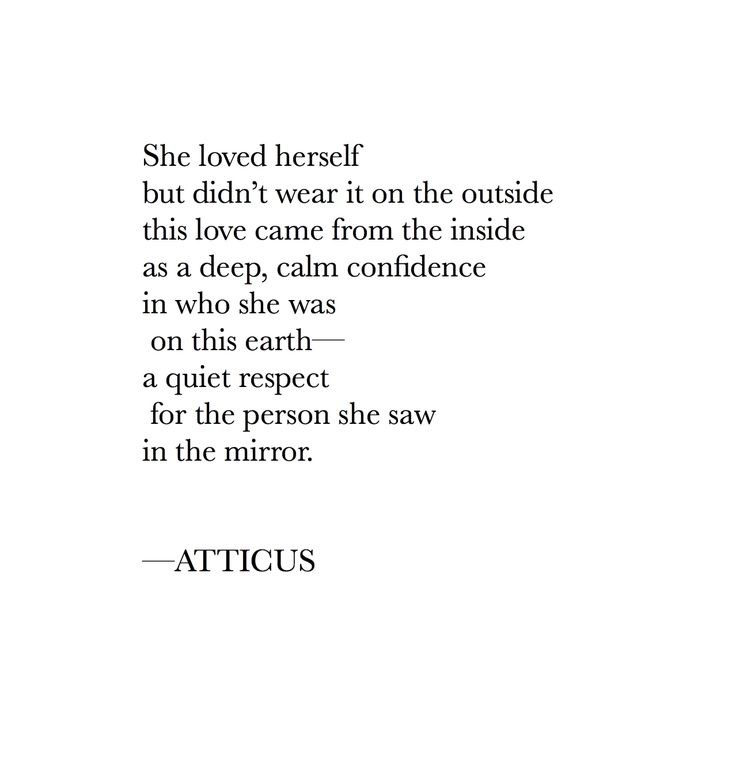
By focusing on these small, yet significant moments, Atticus encourages his audience to cherish the simple joys and find solace amidst the turbulence of daily life. His poetry serves as a gentle reminder that beauty and magic are always present, waiting to be noticed and celebrated. In this way, Atticus not only captures the essence of human experience but also offers a much-needed refuge, inspiring his readers to embrace and savor life’s quiet marvels.

Suhaib Rumi, drawing inspiration from the profound spiritual legacy of his namesake, Jalaluddin Rumi, crafts poetry that serves as a bridge between the celestial and the ordinary. His verses delve deeply into the spiritual journey, resonating with the timeless human quest for meaning and deeper connection. This connection Rumi seeks to establish is not just within the self but also between the individual and the universe, echoing themes that transcend religious and cultural boundaries.
Rumi’s poetry is characterized by its ability to find the sacred in the everyday, encouraging readers to see the divine in the smallest details of life. Each line he writes aims to dissolve the apparent barriers between the mundane and the spiritual, suggesting that the sacred can infuse every aspect of our existence if we only look closely enough. His work invites readers to reflect on the poetry inherent in their own spiritual quests, offering insights that are both personal and universal.
By bridging the gap between the divine and the everyday, Rumi’s poetry connects with a wide audience, resonating across different cultures and epochs. His thoughtful exploration of spiritual themes helps readers from all walks of life find relevance and meaning in his words, making his poetry a unifying force in a world often divided by differences. Through his poetic expressions, Suhaib Rumi encourages us to explore the depth of our own spirits, fostering a sense of connection that is deeply needed in contemporary life.
The Digital Revolution and Poetry
The digital revolution has significantly democratized poetry, transforming it into a more inclusive and accessible art form. No longer confined to the ivory towers of academia or exclusive literary circles, poetry has found a new home on social media platforms such as Instagram, Twitter, and YouTube. These platforms act as contemporary salons, vibrant spaces where poets and audiences meet to share, discuss, and celebrate poetry in dynamic and interactive ways. This shift has effectively integrated poetry into our daily lives, presenting it in formats that are not only easy to digest and share but also more relatable to a broader audience.
This democratization of poetry has not only expanded its reach but also reshaped its essence. Modern poetry often emphasizes clarity and emotional depth, moving away from the complex structures and ornate diction that characterized traditional forms. Today’s poems are like concise snapshots of emotion, capturing the essence of moments or the depth of feelings with precision and brevity. This trend towards simplicity and emotional resonance reflects the evolving preferences and needs of today’s readers, indicating a significant shift in how poetry is consumed and appreciated in the digital age.
Poetry as a Reflection of Our Times
Contemporary poetry shines by reflecting the multifaceted nature of today’s world. In times characterized by swift transformations and pervasive uncertainties, poetry becomes a sanctuary for contemplation, comfort, and defiance. It addresses the pressing issues of our era, such as racial injustice, environmental emergencies, and the pursuit of genuine self-expression amidst the sprawling digital landscape. Through its verses, modern poetry not only captures the zeitgeist but also offers perspectives and insights, encouraging readers to engage with the world around them thoughtfully and empathetically. This ability to resonate with the complexities and challenges of contemporary life is what makes current poetry so compelling and relevant.
Looking Forward
As we look to the future, the trajectory of poetry reveals a landscape ripe for innovation and expansion, driven by the voices of new poets and our changing interactions with language. The diversity, digital integration, and directness of today’s poetry open up limitless avenues for both individual and shared expression. Powered by technological advances and a burgeoning global connectedness, we’re entering an era where poetry not only questions and heals but also empowers.
This ongoing fusion of poetry with various media forms—like music, visual arts, and digital platforms—forecasts a future where poetry transcends its traditional boundaries to become a vital part of our cultural discourse. Such integration enables poetry to engage with audiences in more complex and interactive ways, extending its reach and impact beyond mere text.
Furthermore, the ascendancy of spoken word and performance poetry illuminates the significance of auditory and physical expression within the poetic realm. These vibrant forms celebrate the human voice and presence, introducing a dynamic layer to poetry that resonates with audiences on a visceral level. As these trends continue to evolve, they highlight the transformative nature of poetry, affirming its role as both a crafted and experiential art form. In this evolving landscape, poetry promises to remain a reflective and influential force, capturing the human condition in all its facets with every word and performance.
The Power of Community
A pivotal transformation in modern poetry is the rise of a worldwide network of poets and their audiences, brought together through online platforms. These digital spaces have sparked the creation of a dynamic, interlinked community where support, collaboration, and dialogue thrive. This community doesn’t just provide a platform for new voices; it also creates a sense of belonging for those who turn to poetry for comfort and empowerment.
But the community element of contemporary poetry stretches beyond the digital realm. Poetry slams, open mic nights, and literary festivals continue to flourish, carving out physical spaces where poets can share their creations and audiences can collectively immerse in the poetic experience. These gatherings underscore the communal essence of poetry, showcasing its ability to forge connections across diverse individuals and cultures. Through both virtual and physical spaces, the contemporary poetry scene is a testament to the unifying power of words, continuing to draw people together in shared admiration and understanding.
Embracing Diversity and Inclusion
Modern poetry stands out for its dedication to diversity and inclusion. Today’s poets hail from a broad spectrum of backgrounds, each contributing their distinct narratives and viewpoints. This rich variety deepens the poetry landscape, introducing a wealth of voices that mirror the intricate nature of our world.
The scope of modern poetry is equally inclusive, encompassing an array of themes and concerns. Contemporary poets engage with diverse subjects, including personal identity, mental health, social justice, and environmental issues. By delving into these areas, poetry transforms into a vehicle for advocacy and enlightenment, underscoring the profound impact words can have on fostering change. This commitment to diversity and inclusivity not only broadens the reach of poetry but also amplifies its role as a reflective and transformative force in society.
The Evergreen Nature of Poetry
While the forms, platforms, and themes of poetry have transformed over time, its core essence remains steadfast: poetry is fundamentally about forging connections. It bridges the gap between the poet and the reader, intertwining individual experiences with universal truths. Contemporary poetry, with its focus on being accessible and relatable, strengthens these connections, showcasing the timeless ability of words to inspire and bring people together.
In the face of the 21st century’s unique challenges and opportunities, poetry stands as a powerful reminder of the human spirit’s resilience and adaptability. It continues to evolve, mirroring our shared aspirations, anxieties, and dreams. Through the voices of today’s poets, we not only see a reflection of our current era but also find a source of hope for what lies ahead. Poetry, in its ever-evolving forms, remains a beacon, illuminating the path forward with the enduring light of human expression and empathy.
As we witness the ongoing evolution of poetry, seeing its adaptation to new forms, mediums, and themes, we’re reminded of its enduring essence and its capacity to unite and inspire us. This invites us to consider: How will future poets leverage this timeless art to mirror, confront, and influence the constantly shifting landscape of our lives?


 Whimsical Connotations
Hi, my name is Y’Nella Titus. I just wanted to say I really enjoyed reading this post and I cited it as a source for my essay. You’re very inspirational. Keep up the good work!
LikeLiked by 1 person
Hi, thank you for your kind words and encouragement, I am really glad you enjoyed reading it. 🙂
LikeLike