Have you ever wondered why certain colors make your skin glow and your eyes pop, while others make you look a bit off? This could be due to your personal “seasonal color palette,” a concept from the world of fashion that categorizes which colors best suit your natural features based on the tones of your skin, eyes, and hair. Typically, identifying your season—whether you’re a Winter, Spring, Summer, or Autumn—requires a visit to a color consultant, which can be a fun but pricey experience.
However, in the age of advanced AI, there’s a savvy, budget-friendly alternative: using ChatGPT. This article will guide you through the process of using AI to determine your seasonal color palette. Whether you’re looking to refresh your wardrobe, spice up your style, or just have some fun with fashion, follow along to learn how you can use technology to uncover the colors that best suit you. Plus, we’ll explore how to integrate these findings into your existing wardrobe and enhance your style without overspending. So grab a mirror, some colorful items, and perhaps a friend for a second opinion, and let’s dive into the colorful world of seasonal color analysis with ChatGPT!
Understanding Seasonal Color Analysis
What It Means:
Seasonal color analysis is a fascinating approach used in personal fashion to determine which colors complement an individual’s natural complexion, eye, and hair color. The theory categorizes people into four general seasons—Winter, Spring, Summer, and Autumn—each associated with a set of colors that harmonizes with the person’s natural tones. Wearing colors from your season can enhance your natural beauty, making you look more vibrant and even healthier.
The Four Seasons Explained:
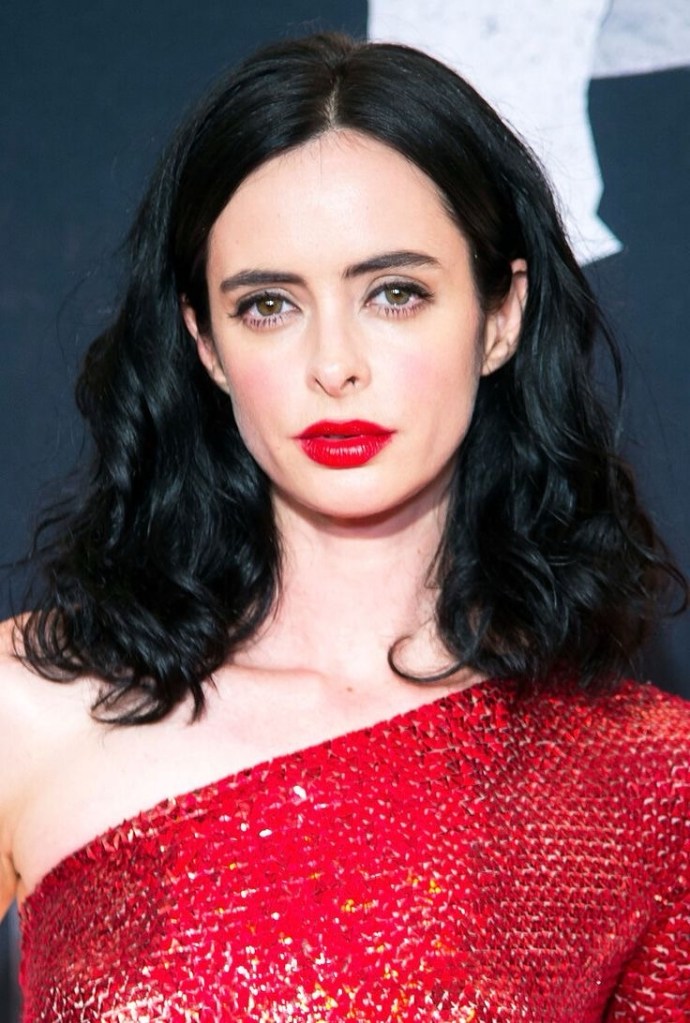
Winter: Individuals with high contrast between their hair, eye color, and skin tone, often with cool undertones. Winters thrive in bold, rich colors like black, white, navy blue, and true red.
Krysten Ritter’s striking dark hair, high-contrast complexion, and deep eye color typify the Winter characteristics, allowing her to wear bold and saturated colors beautifully.
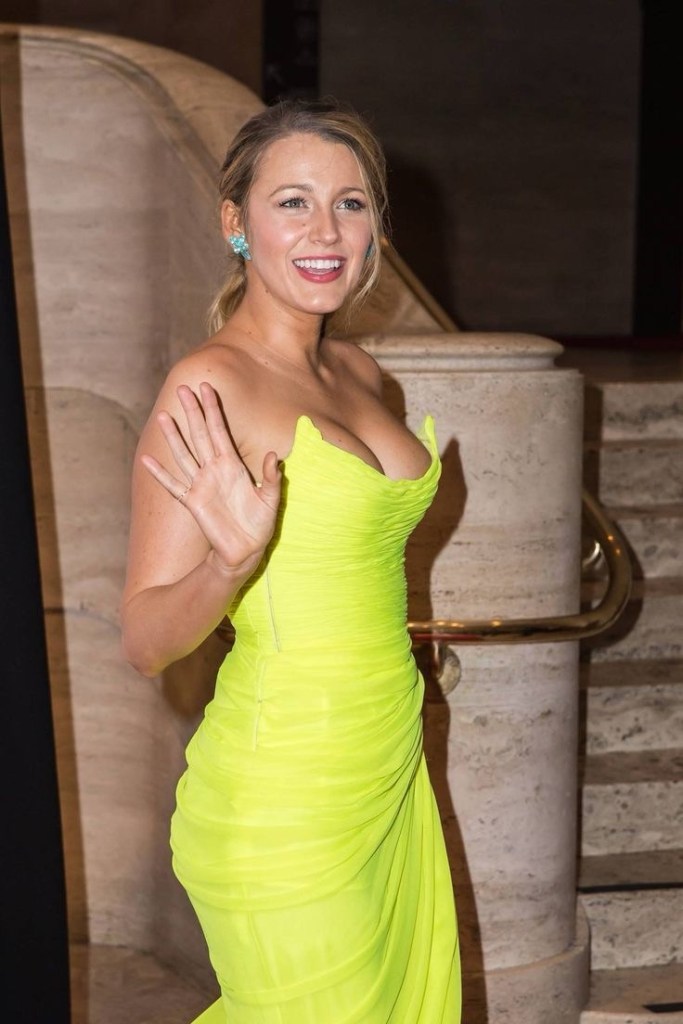
Springs: Typically light to medium hair, eyes, and skin with warm undertones. Springs look best in soft, warm colors like peach, soft yellows, and coral.
Blake Lively is a great example of a Spring color season with her warm golden tones in her hair and a bright, vibrant skin undertone. The bright yellow-green dress she’s wearing in the photo you’ve uploaded is a bold choice, and while it’s not a traditional Spring color, her natural warmth allows her to pull off this vivid color with confidence and charm. The luminosity of the fabric adds a glow to her complexion, showing that she can indeed venture into brighter shades beyond the typical Spring palette. This demonstrates the flexibility within seasonal color analysis, where personality and personal preference also play significant roles in fashion choices.
Summer: Usually characterized by low contrast features with cool undertones. Summers excel in pastel and muted colors such as lavender, soft blue, and pale pink.
Jennifer Aniston is often cited as a quintessential example of a ‘Summer’ in the world of seasonal color analysis. Her natural coloring aligns with the cool, soft, and muted hues that define this category. Summers are typically characterized by their ability to wear pastel and neutral tones effortlessly, which harmonize with their low-contrast features and cool undertones. Aniston often graces the red carpet in serene blues, subtle greys, and elegant rose, which complement her natural hair color, often highlighted with soft, ashy tones, and her gentle skin undertone. The softness of the Summer palette plays up Aniston’s effortless, beachy aesthetic, synonymous with her personal style. The colors that suit her best are those that reflect her inherent cool and muted coloring, such as dusty pinks, soft blues, and lavender, allowing her to look both vibrant and refined.

Autumn: Marked by warm undertones with any hair and eye color that seems golden or spicy. Autumns radiate in earthy colors like olive, mustard, and rich browns.
Beyoncé often showcases the rich and warm hues of the Autumn palette. The deep, warm tones of her outfit, reminiscent of autumnal shades like maroon or rust, are likely to be especially flattering, accentuating the golden undertones of her skin and her caramel-highlighted hair. These colors reflect the essence of the Autumn season, with its association with warmth, depth, and earthiness

Sub-Seasons in Color Analysis: A Deeper Dive
While the basic seasonal color analysis provides a good starting point, diving deeper into sub-seasons can refine your color choices even more accurately. Each of the four main seasons—Winter, Spring, Summer, and Autumn—is further divided into three sub-seasons, making a total of 12 unique profiles. These sub-seasons consider variations in undertone, value, and chroma (intensity) of your natural coloring, allowing for more personalized and precise color recommendations.
Winter
Deep Winter: Characterized by dark hair and eyes, often with a clear, cool skin tone. Deep Winters look stunning in saturated, intense colors like black, dark charcoal, and deep, cool reds.
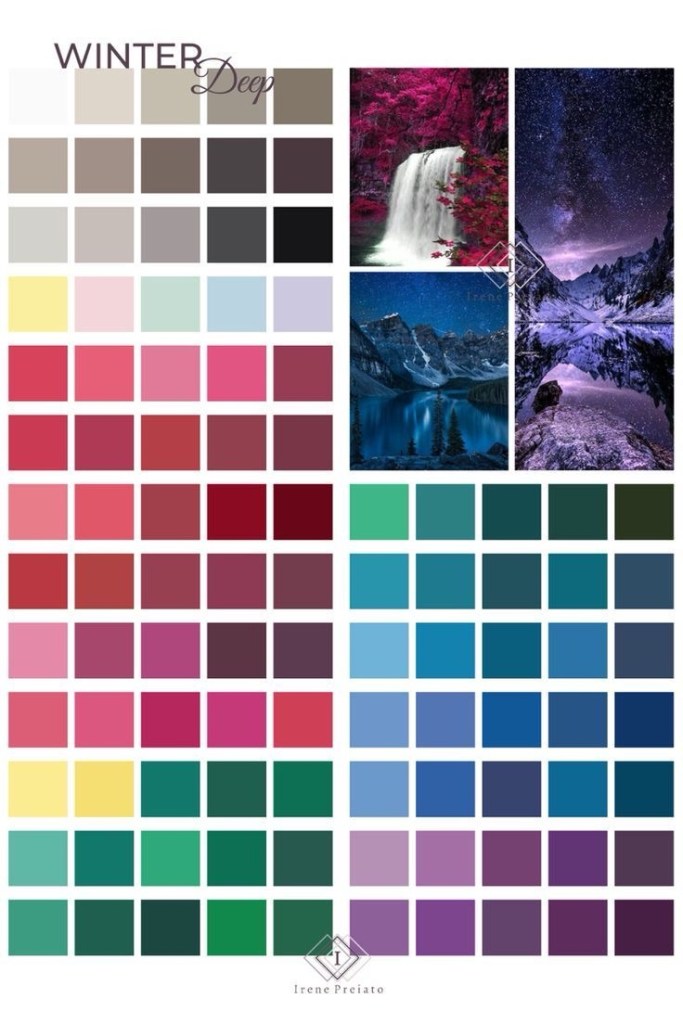
Deep Winter Color Choices:
- Cool Blues and Greens: Enhance the drama of dark hair and fair skin with deep, cool shades like navy or pine green.
- Icy Tones: Illuminate your complexion with the subtle vibrancy of icy lavender or cool silver.
- Rich Jewel Tones: Command attention with the bold contrast of ruby red or amethyst purple against a pale backdrop.”
Celebrities:
Kerry Washington
Deep Winter palettes are often complemented by rich, vivid, and cool-based colors like true reds, which appear to be quite harmonious with her skin tone. This particular shade of red, intense and slightly cool, is a classic choice for Deep Winters, enhancing the natural depth and richness of their features.
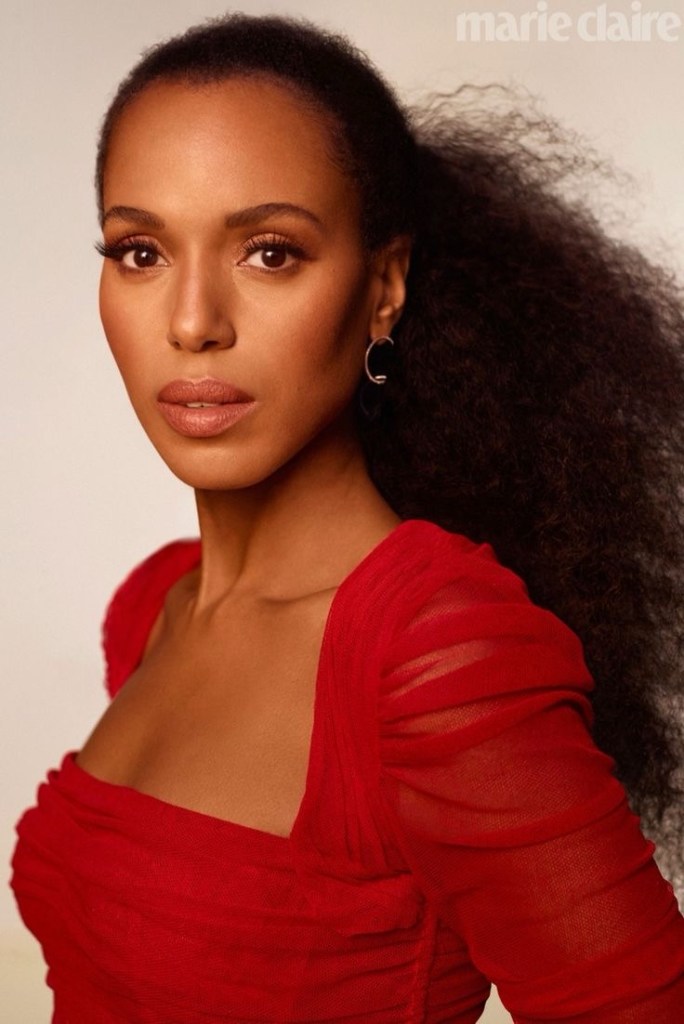
Kerry Washington often wears deep, rich colors like black, espresso, and brick reds that complement her cool yet deep complexion.
Gal Gadot

The strong contrast and depth of her features mean she looks great in the intense, saturated colors typical of this season, such as black, white, jewel tones, and icy colors. Black, as she’s wearing in the image, is a staple for Deep Winters, providing an elegant and powerful look that aligns well with her natural coloring.
Cool Winter: Typically has cool undertones throughout, with less contrast between hair and skin. Cool Winters suit vibrant blues, crisp whites, and cool greys.
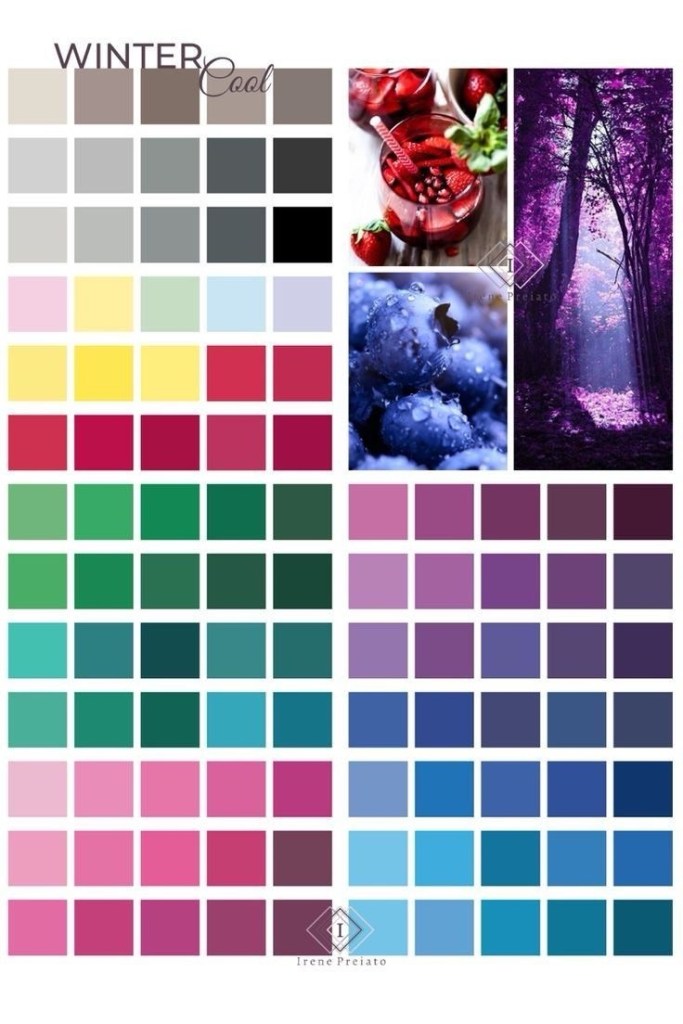
Cool Winter Color Choices:
- Cool Blues and Greens: These shades, including teal, sapphire, and emerald, enhance the depth and intensity of deep blue eyes.
- Icy Tones: Colors like icy pink, icy lavender, or icy gray provide a soft yet vibrant look that illuminates the complexion.
- Rich Jewel Tones: Jewel tones such as amethyst, ruby red, and deep emerald create stunning contrasts with dark hair and complement a fair skin tone beautifully.
Celebrities:
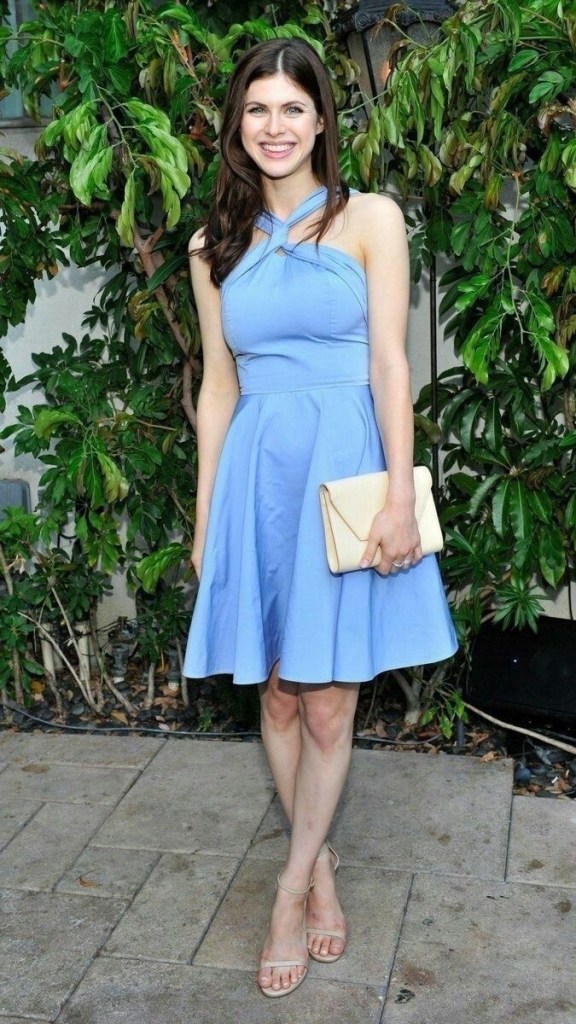
Alexandra Daddario
Megan Fox

Clear (Bright) Winter: Combines high contrast with brightness—think dark hair, light skin, and striking eye color. Clear Winters are complemented by vivid colors like hot pink, icy blues, and true black.
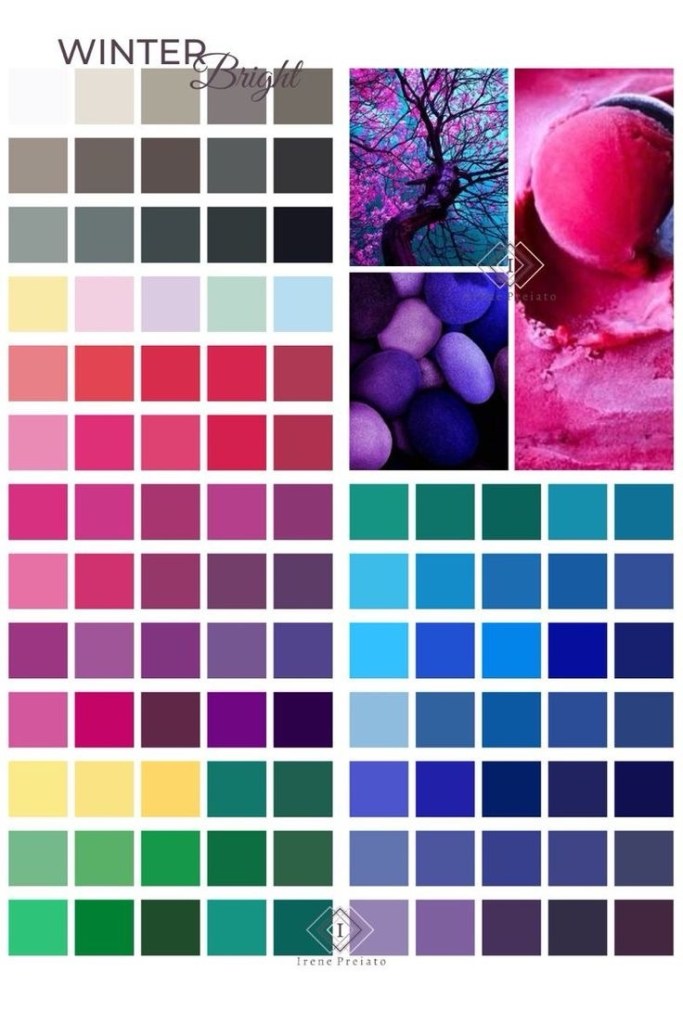
Clear Winter Color Choices:
- Bright Whites: Crisp and clear, these make for a sharp, fresh contrast.
- True Reds: Think of a red with a blue base, not leaning towards orange.
- Vivid Blues: Cobalt, royal, or sapphire blues echo the clear and cool undertones.
- Hot Pinks: Bright and energetic, these pinks really pop against the skin.
- Bright Greens: Kelly green or a vivid emerald can look stunning and lively.
- Icy Colors: Though light, icy shades like icy pink or icy blue maintain clarity and coolness, perfect for Clear Winters.
Celebrities:
Anne Hathaway

Aishwarya Rai
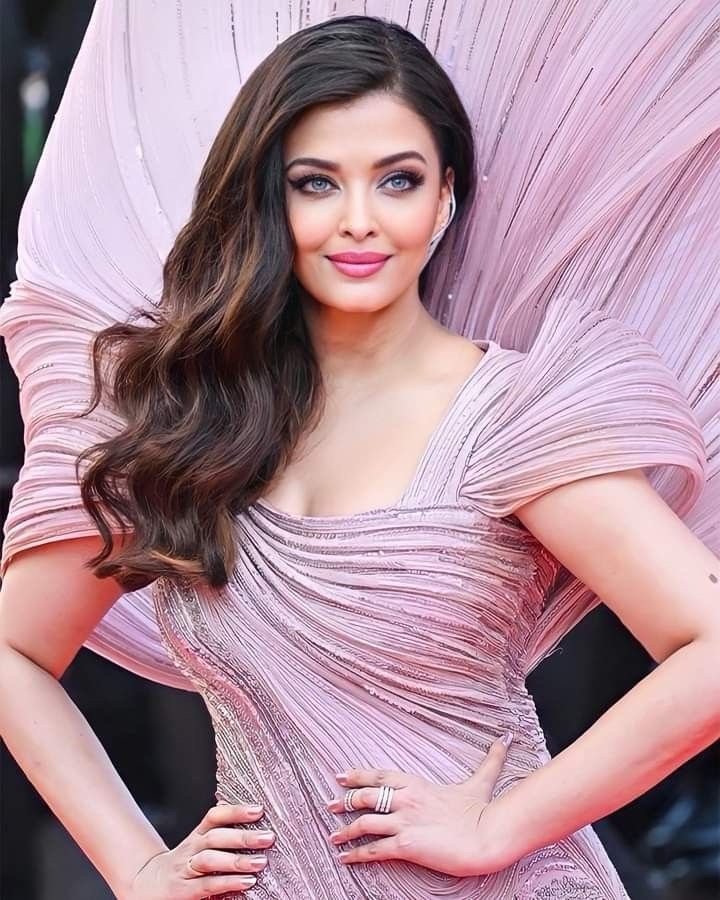
Note how this icy pink dress Aishwarya Rai Bachchan is wearing looks beautiful on her. Colors like this can be fitting for both Cool and Clear Winter individuals, as both sub-seasons encompass cool undertones and can often share similar color qualities.
Clear Winter is characterized by a higher level of brightness in their best colors, which means they can often wear vibrant versions of cool hues, including icy tones. The clarity of Aishwarya’s features, with her vibrant eyes and contrasted complexion, can be indicative of a Clear Winter. However, her ability to also look radiant in softer icy pinks could suggest some crossover with Cool Winter elements.
Seasonal color analysis is not an exact science and individuals can sometimes exhibit characteristics of multiple seasons or sub-seasons, which is why Aishwarya may wear colors from both palettes effectively. The most important factor is how the color complements the individual, and in this case, the icy pink certainly seems to do that for her.
Spring
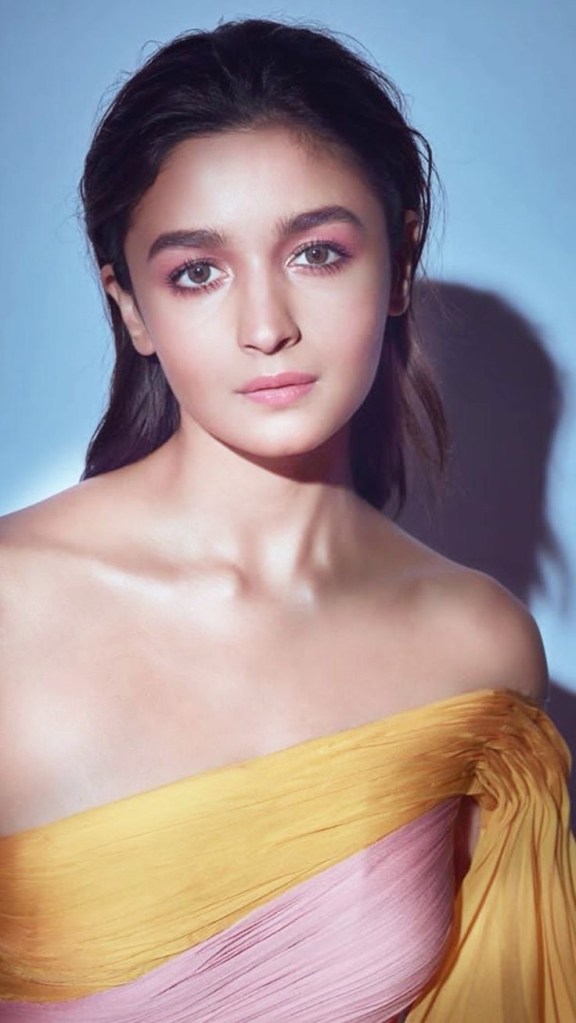
Light Spring: This palette is all about softness and lightness, featuring people with light blonde or strawberry blonde hair and pale eyes. Light Springs glow in pastel tones of peach, light coral, and soft aqua.Light Spring individuals have an overall light and warm look, with low contrast between their hair, skin, and eyes. The Light Spring color palette emphasizes soft and warm tones.
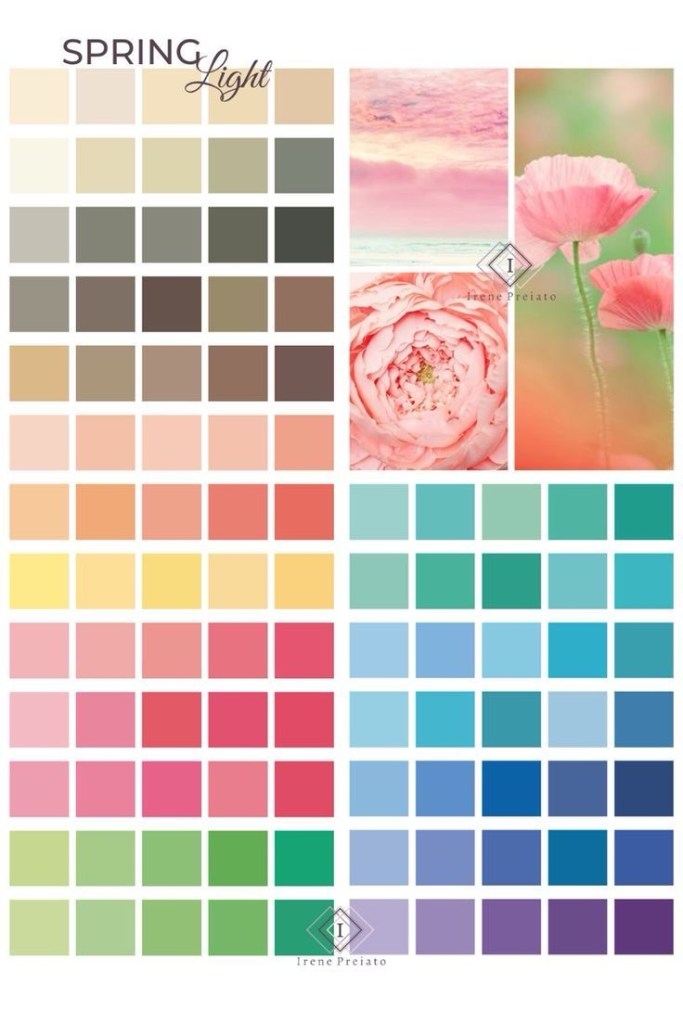
Light Spring Color Choices:
- Warm Pastels: Soft peach, coral, and light moss green highlight the warm undertones of a Light Spring.
- Ivory: Instead of pure white, ivory offers warmth that can be more flattering.
- Light Neutrals: Soft camel and warm gray are sophisticated and harmonious options.
- Soft Blues and Greens: Sky blue, aqua, and soft turquoise can look refreshing and vibrant.
- Medium Warm Tones: Light-medium tones like golden yellows and warm pinks work well, avoiding anything too dark or too bright that can overwhelm the natural softness of a Light Spring’s coloring.
Celebrities:
Amanda Seyfried
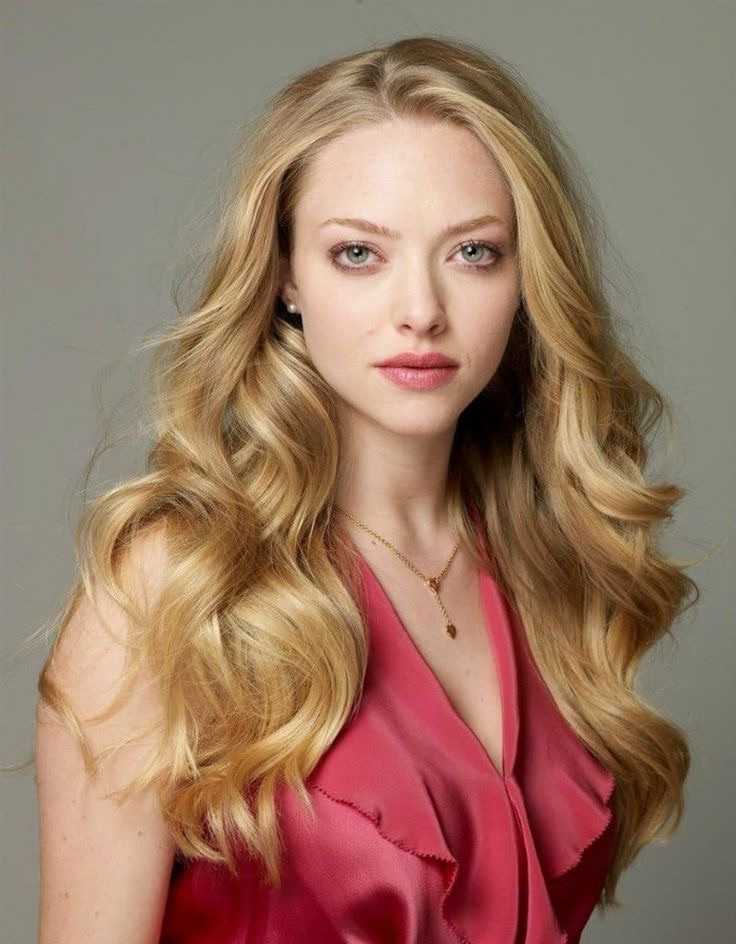
Alia Bhatt
Warm Spring: Warm Springs have a creamy white or peach complexion with hair that could be described as golden blonde or light auburn. They shine in warm colors like camel, golden yellow, and peach.
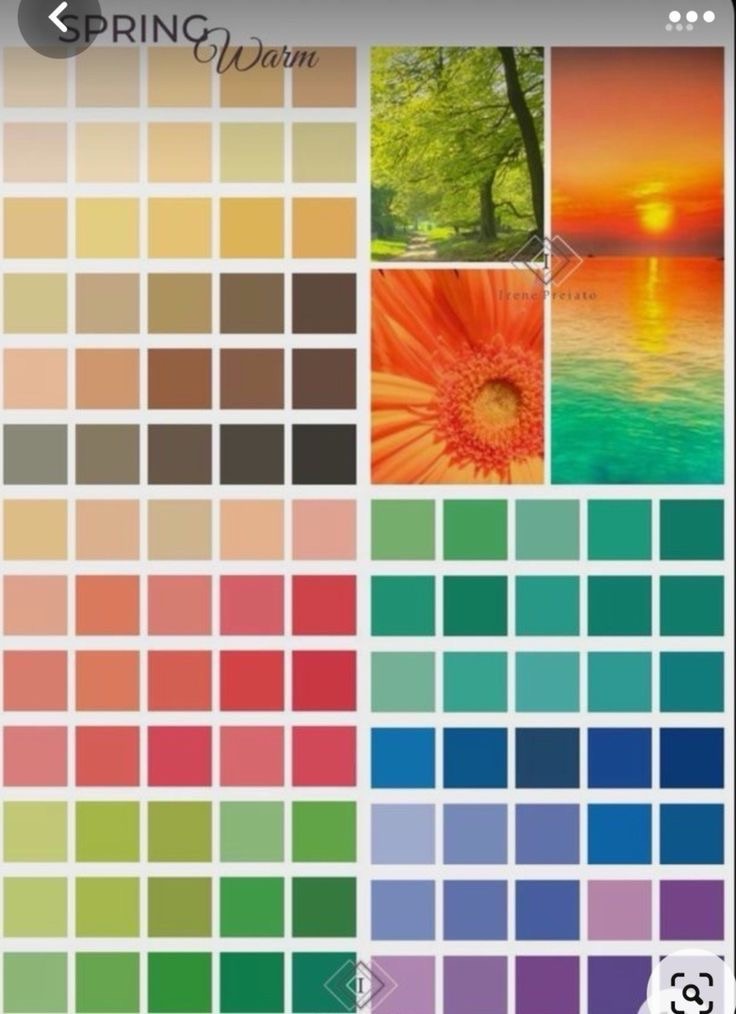
Warm Spring Color Choices:
- Peaches and Cream: Soft peach tones and cream hues enhance the natural warmth of a Warm Spring’s complexion.
- Warm Greens: Olive greens and apple greens complement their earthy undertones.
- Soft Yellows: Think of golden, buttery yellows that mimic the warmth of sunlight.
- Coral and Salmon: These warm, pinkish-orange tones can be particularly flattering, bringing out a healthy glow.
- Turquoise: A warm turquoise can provide a nice pop of color that harmonizes well with Warm Spring coloring.
- Camel and Tan: Instead of stark blacks, these warm neutrals can be great for foundation pieces in their wardrobe.
Celebrities:
Leighton Meester

When her hair is a warmer hue like caramel or honey blonde, she tends to shine in colors that reflect a Spring or Autumn palette, such as:
- Warm neutrals like taupe or soft camel
- Rich earthy tones such as olive or terracotta
- Clear, bright shades like coral and warm peach
- Soft, warm blues and greens, like turquoise
- Deep tomato reds rather than cool blues
When her hair is darker, she may veer towards a Winter palette, but typically, the warm and earthy tones of Spring and Autumn suit her well, especially with her light eyes and versatile skin tone.
Blake Lively
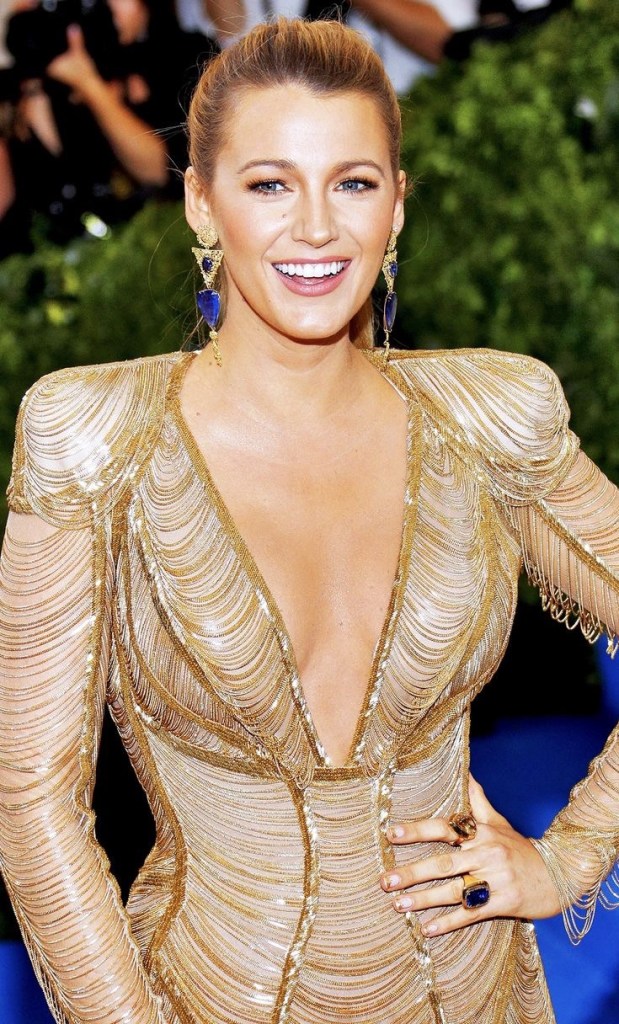
Her bright blonde hair, warm skin tone, and cheerful disposition are complemented by the Warm Spring color palette, which includes:
- Clear, warm colors like peach, coral, and golden yellow.
- Soft greens, particularly those with a yellow undertone like apple green.
- Turquoise and teal, which look vibrant against her skin.
- Light earth tones, such as camel or lighter shades of brown that have a warm quality.
- Creamy whites rather than stark whites, which harmonize with her warm undertones.
Blake Lively often chooses outfits that resonate with these colors, enhancing her natural glow and reflecting the lively and fresh essence of the Warm Spring season.
Blake Lively often chooses outfits that resonate with these colors, enhancing her natural glow and reflecting the lively and fresh essence of the Warm Spring season.
Clear (Bright) Spring: A vibrant blend of light and warm, Clear Springs can wear some of the brightest colors, including lime green, bright coral, and turquoise.
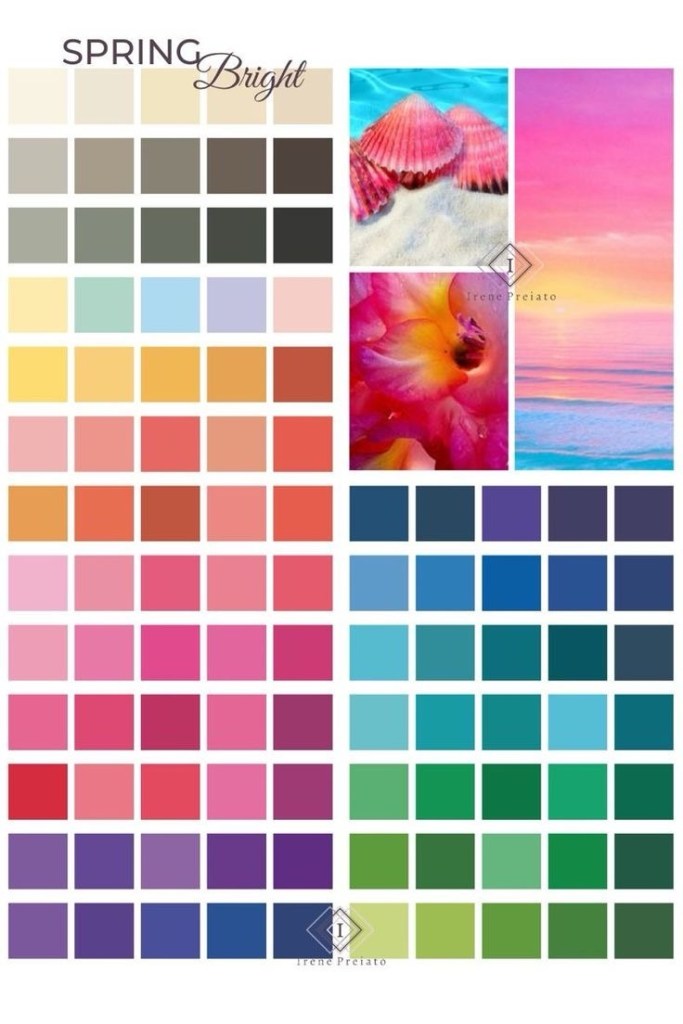
Clear Spring Color Choices:
Clear Springs thrive in hues that are both warm and vibrant, and Taylor Swift often chooses colors that reflect these qualities:
- Warm and bright blues like turquoise or sky blue that highlight her eyes.
- True reds, especially with a blue undertone, that make her features pop.
- Clear greens, from lime to a brighter kelly green, that complement her lightness.
- Warm pinks, like watermelon and coral, which bring out a fresh and lively look.
- Bright, clear peaches and apricots that enhance her warm undertones.
Celebrities:
Rachel McAdams
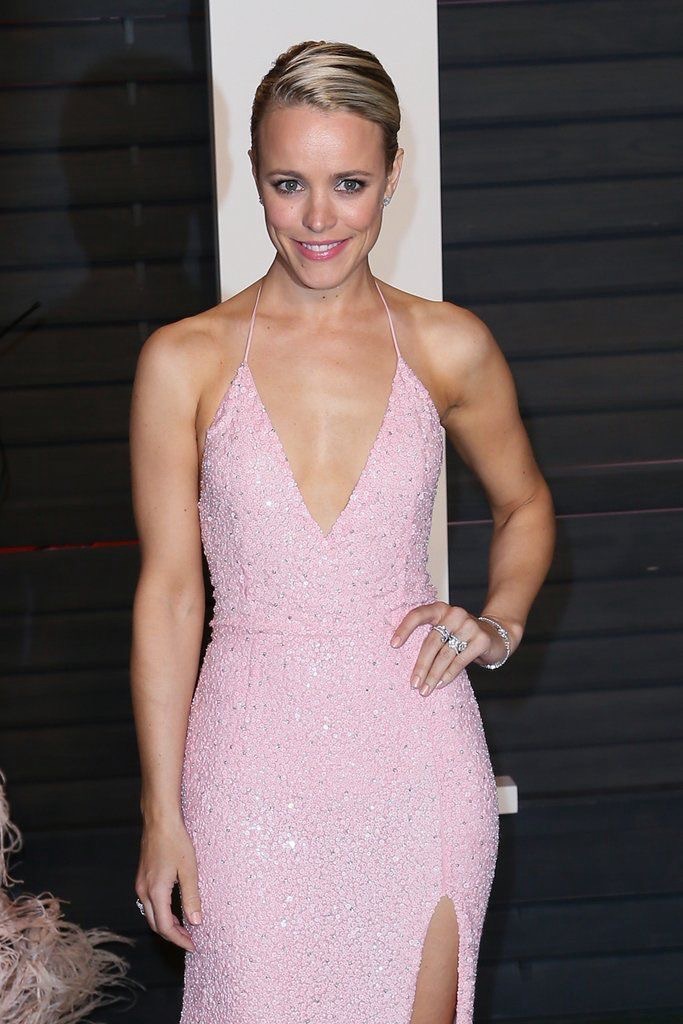
The color is bright and warm without being overpowering, highlighting her fair skin and complementing her light hair, suggesting that she indeed shines in the Clear Spring range.
Taylor Swift
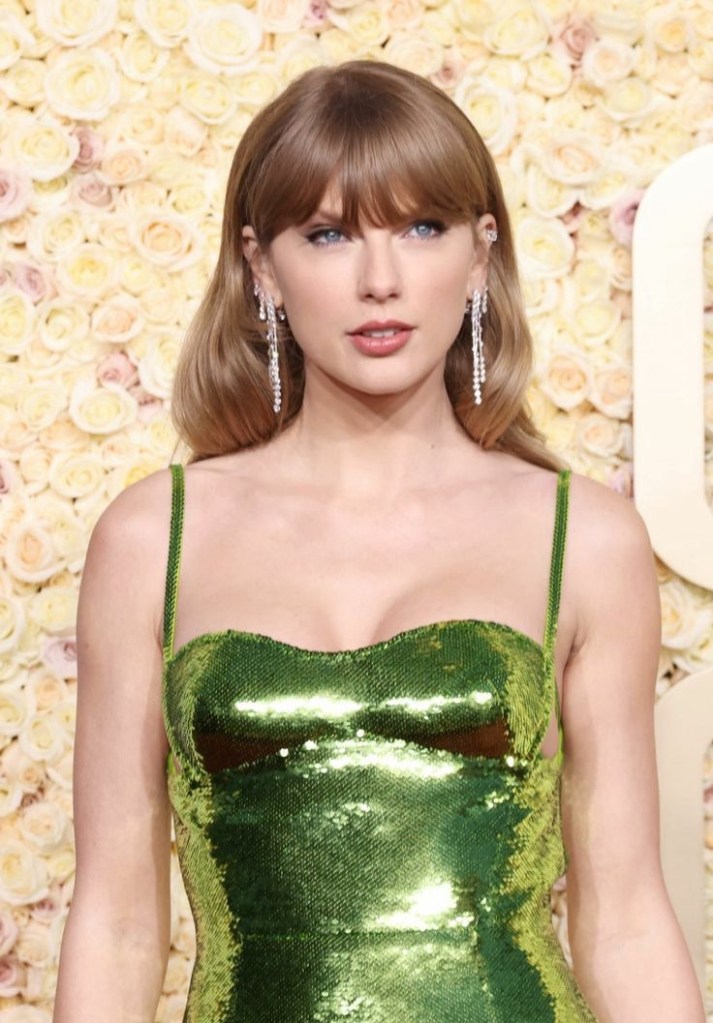
Taylor Swift’s wardrobe during various public appearances often includes these types of colors, which suit her Clear Spring coloring and add to her vibrant, youthful image.
Summer
Light Summer: These individuals often have light blonde or ash blonde hair with pale, soft eyes. Light Summers look best in soft, muted colors like lavender, slate blue, and rosy pink.
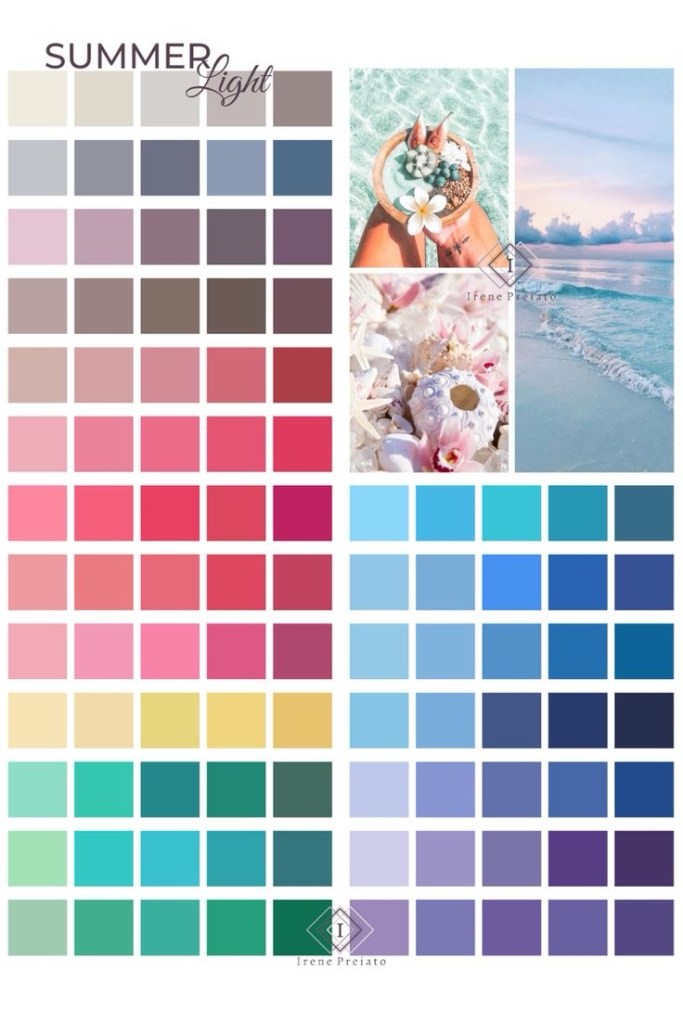
Light Summer Color Choices:
Light Summer is a palette with cool, light, and muted tones, reflecting the softness and delicacy of early summer. Here are some color choices for Light Summer individuals:
- Soft Blues: Sky blue, powder blue, and periwinkle align well with the cool and gentle essence of a Light Summer.
- Dusty Pinks: Light rose and soft raspberry offer a touch of warmth while still being muted enough for a Light Summer’s subtle palette.
- Lavenders: These can range from a soft lilac to a muted violet, complementing the cool undertones.
- Light Neutrals: Muted greys, soft navy, and off-whites provide a neutral base that isn’t too harsh against the skin.
- Sea Greens: Subdued teal and soft seafoam are natural and calming on Light Summers.
- Cool Pastels: Any pastel with a cool undertone, like a cool mint or a light lemon, that isn’t overly bright or saturated will suit a Light Summer well.
Light Summer individuals often have a gentle contrast in their appearance and are flattered by colors that are neither too dark nor too bright, maintaining a soft and approachable look.
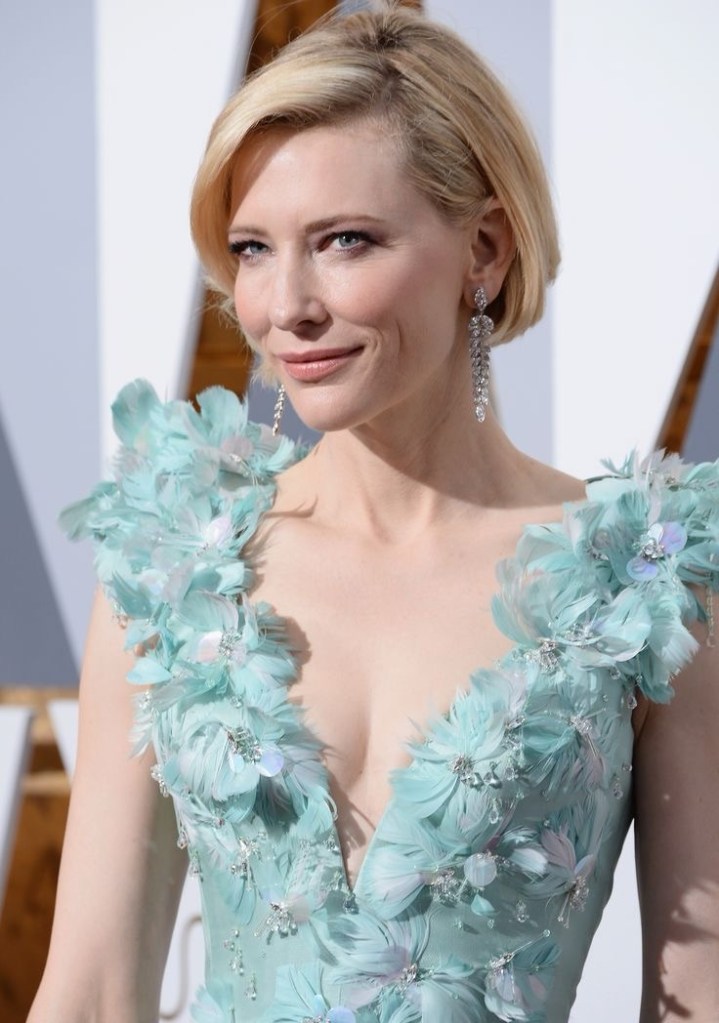

This shade is soft yet cool, complementing the subtle pink undertones of her fair skin and harmonizing with her light red hair. It’s an excellent example of the muted yet cool tones that enhance the natural beauty of Light Summers.
For Nicole Kidman, colors that flatter her Light Summer characteristics might include:
- Soft blues and gentle aquamarines, reflecting the coolness of her palette.
- Dusty pinks and soft rose, which would highlight her fair complexion without overpowering it.
- Light greys and soft navy, providing a cool but muted base.
- Lavender and soft berry shades, adding a touch of subtle warmth.
- Pale yellows or soft peaches, which should be cool enough to suit her skin tone.
These colors would enhance her natural elegance and complement her light red hair and fair skin, characteristic of the Light Summer color season.
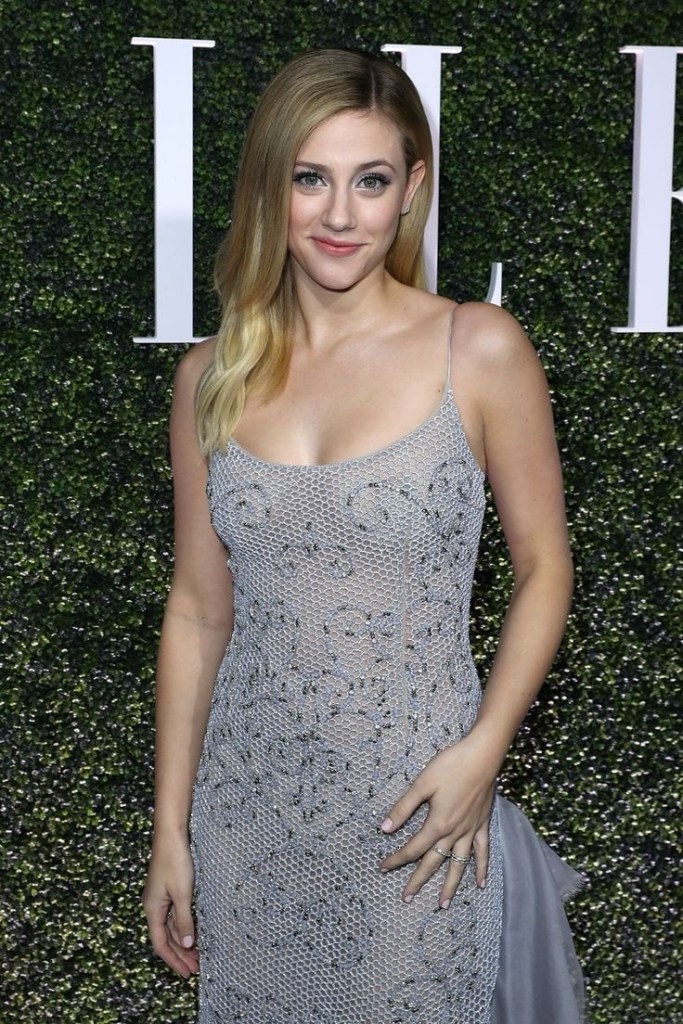
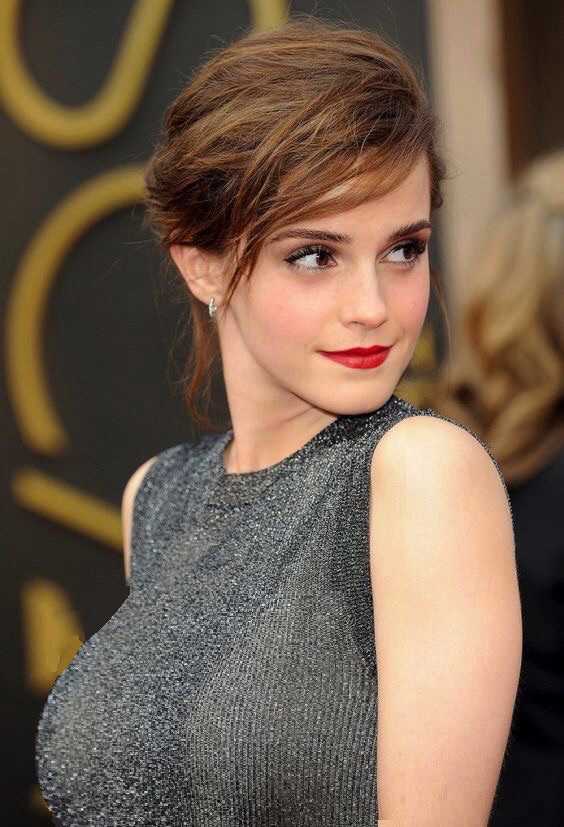
Cool Summer: Cool Summers display cool undertones consistently, with colors like rose, grey, and soft navy enhancing their delicate beauty.
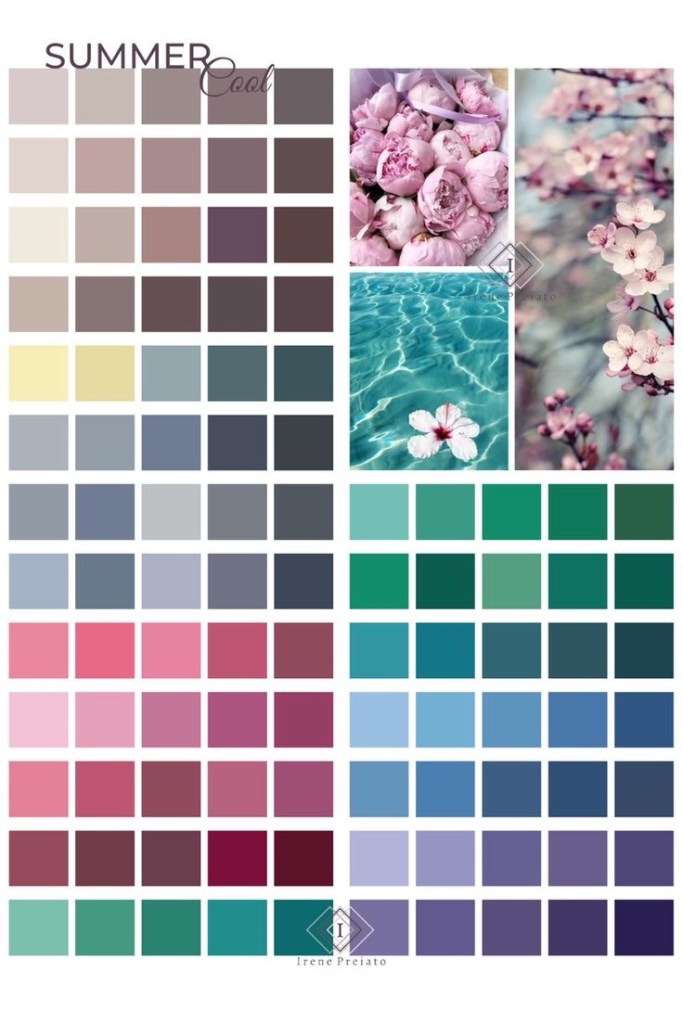
Cool Summer Color Choices:
Cool Summer color choices are all about muted, cool tones with a hint of softness. Here’s what suits a Cool Summer:
- Cool Blues: Think slate blue, dusty blue, and soft navy, which complement the cool undertones.
- Greys: From light silver to charcoal, these neutrals are perfect for Cool Summers.
- Soft Pinks: A cool, soft pink or a muted rose can add a subtle warmth without overpowering.
- Plums and Purples: These should be more muted rather than bright, like heather or lavender.
- Sea Greens: Colors like cool mint and soft aqua reflect the palette’s tranquil nature.
- Cool Reds: A berry or burgundy with more blue in its base can work nicely.
Cool Summers look best in colors that are low in saturation and not too warm or too dark. The aim is to complement their cool and muted natural coloring.
Lili Reinhard
Emma Watson
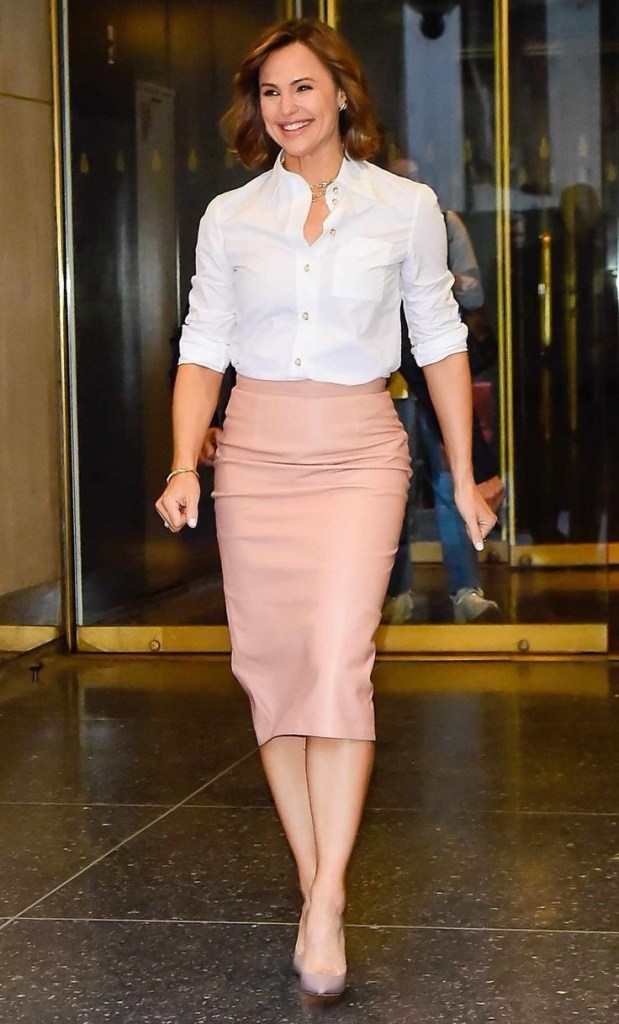
Soft Summer: Features are blended with gentle contrast, and the Soft Summer palette includes neutral or dusty versions of cool hues, such as dusty pink, mauve, and soft maroon.

Soft Summer Color Choices:
Soft Summer individuals have a blend of cool and muted tones with an overall gentle appearance. Here are some colors that flatter Soft Summers:
- Muted Blues: Dusty blue, slate blue, and other soft blues complement their cool undertones.
- Greys: Soft charcoal, light grey, and heather grey serve as versatile neutrals.
- Dusty Pinks: These range from old rose to soft mauve, offering a subtle touch of color.
- Lavender: A muted lavender adds a cool yet soft pop of color.
- Greenish-Blues: Soft teal and seafoam provide a natural, calming appearance.
- Plums: Soft plum and muted berry shades can be quite flattering.
- Cool Browns: Taupe and mushroom can be warm options that still resonate with the cool softness of the palette.
For Soft Summers, it’s about finding colors that are neither too bright nor too deep, aligning with their subtle, understated look.
Sarah Jessica Parker

Jennifer Garner
Autumn
Soft Autumn: Soft Autumns have a rich, warm look but with softer contrasts. They suit earthy colors like olive green, mustard, and soft terracotta.

Soft Autumn Color Choices:
Soft Autumn individuals look best in warm, muted colors that reflect the richness and subdued tones of late summer and early fall. Here are color choices for Soft Autumns:
- Warm Neutrals: Think taupe, warm greys, and soft beige.
- Rich Earth Tones: Olive green, warm terra cotta, and camel suit their coloring beautifully.
- Soft Oranges and Yellows: Burnt orange, mustard, and golden yellow are ideal when they’re muted, not bright.
- Muted Greens: Moss green and muted teal can highlight their earthy undertones.
- Dusty Pinks: Subtle salmon and peach complement their warmth.
- Warm Reds: A soft tomato red or auburn works well, avoiding anything too bright or cool-toned.
- Soft Purples: A muted plum or heather can be flattering, as long as it’s not too bright or too blue-based.
Soft Autumn’s palette is characterized by a subtle, warm, and earthy look, avoiding high contrast or saturation.
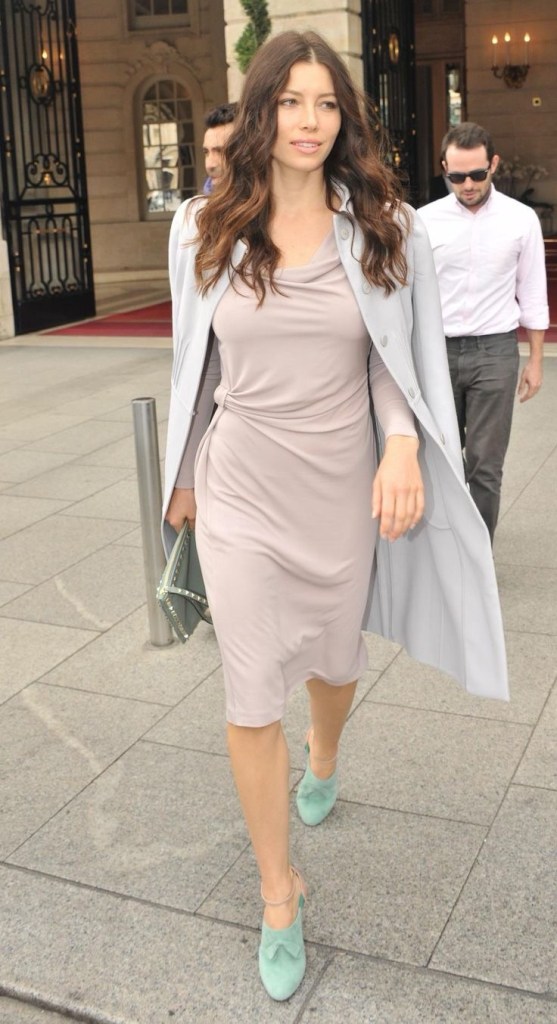
Warm Autumn: Exhibiting a golden undertone in their skin, hair, and eyes, Warm Autumns thrive in colors like amber, orange, and moss green.

Warm Autumn Color Choices:
Warm Autumn individuals shine in colors that are warm, rich, and often have a golden undertone. Here’s a palette that would be ideal for a Warm Autumn:
- Deep Greens: Think of olive or forest green that mimic the richness of foliage.
- Warm Reds: A rich tomato red or a warm burgundy reflects the warm undertones.
- Oranges and Yellows: Colors like pumpkin, burnt orange, and goldenrod are perfect.
- Warm Neutrals: Camel, beige, and khaki provide a harmonious base.
- Rich Browns: Chocolate and deep espresso can be very flattering.
- Warm Purples: A warm plum or fig can work well for this palette.
- Earthy Tones: Terra cotta, caramel, and rust are all quintessential Warm Autumn colors.
These hues resonate with the cozy warmth and natural feel of autumn, enhancing the warm and often amber-like undertones in the skin, hair, and eyes of those who fall into this color season.
Deep Autumn: With deeper and richer coloring, Deep Autumns are complemented by dark chocolate, deep olive, and rich teal.
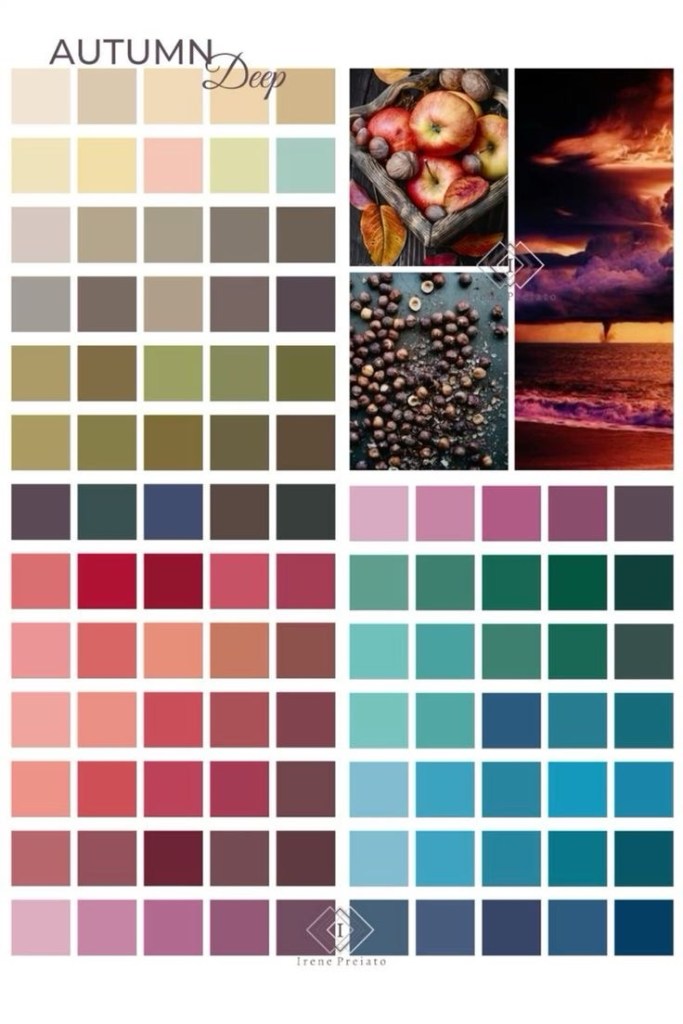
Deep Autumn Color Choices:
Deep Autumn features resonate with colors that are rich, deep, and warm, reflecting the full intensity of fall. Here’s what suits a Deep Autumn:
- Earthy Tones: Deep terracotta, rich mahogany, and dark olive capture the essence of autumn leaves.
- Dark Reds: Think of warm, deep reds like maroon and burgundy that mirror the season.
- Rich Browns: Chocolate brown, deep camel, and walnut are ideal for creating a warm, grounded look.
- Jewel Tones: Emerald green, deep teal, and peacock blue can add vibrancy without coolness.
- Golden Yellows: Mustard and golden yellows reflect the warm, golden glow of the season.
- Burnt Oranges: A muted burnt orange or pumpkin spice is quintessentially autumnal and warm.
- Warm Purples: Aubergine and warm plum align well with Deep Autumn’s rich palette.
Deep Autumns look best in colors that are as deep and warm as their features, allowing them to wear bold and saturated colors without being overshadowed.
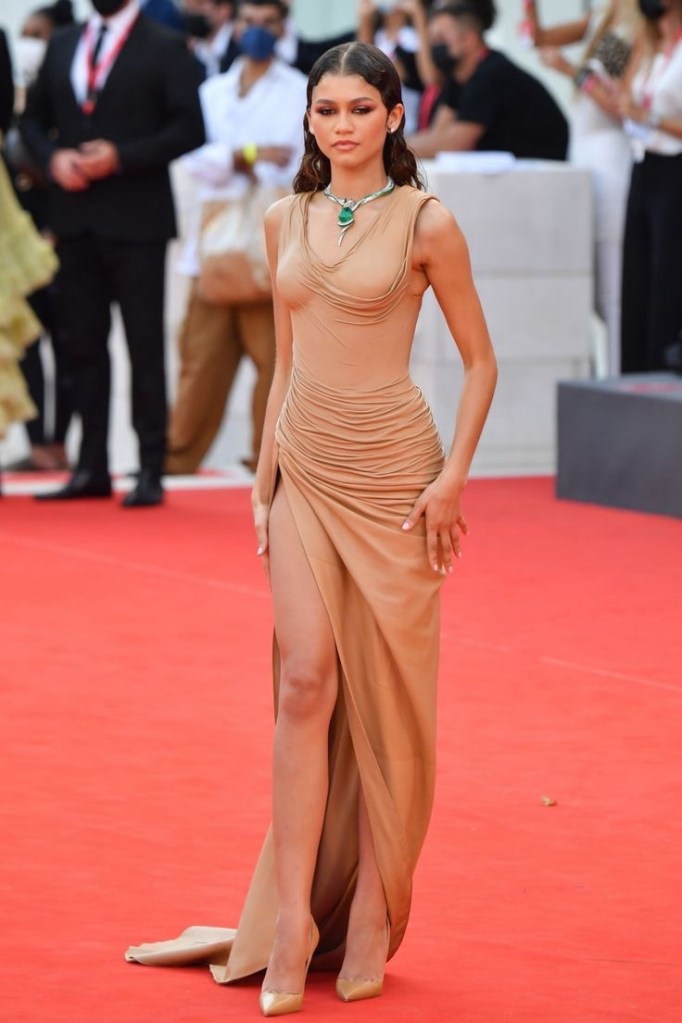
Zendaya
Emily Ratajkowski
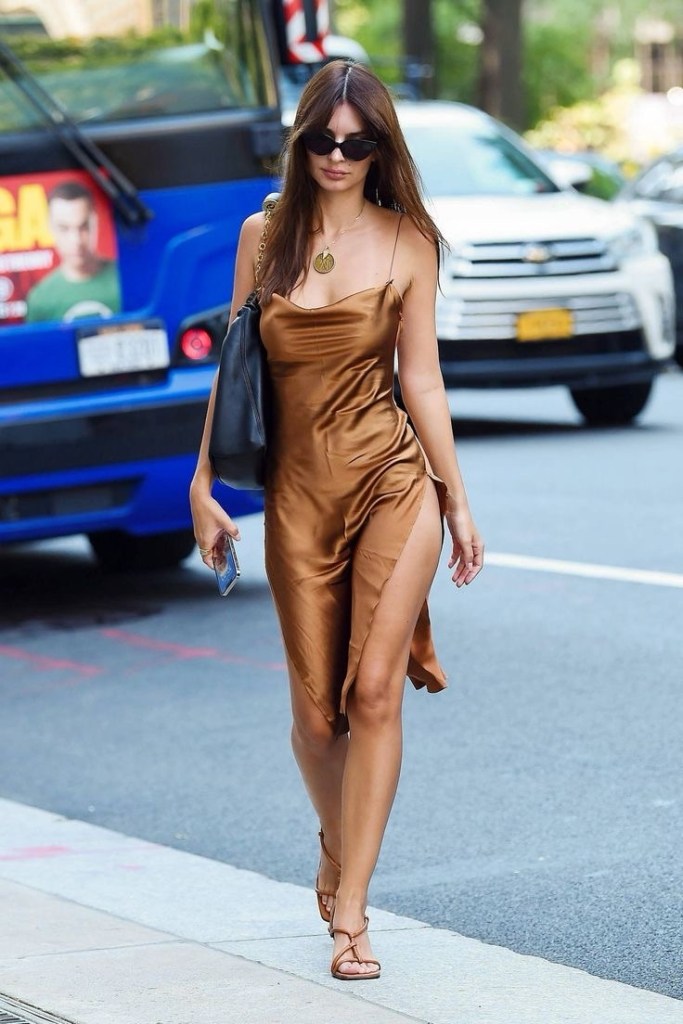
Colors like deep olive, warm terracotta, rich browns, and spicy shades typically complement her natural coloring and bring out the warmth in her complexion. She can also look stunning in deep jewel tones like emerald green or sapphire blue that enhance her depth of coloring while providing a luxurious contrast.
Hiring a Professional Color Consultant
If you’re considering a professional color analysis, here’s what you need to know:
Finding a Consultant
Look for a certified color analyst by checking online directories or local fashion schools. Social media platforms and fashion blogs can also provide recommendations.
What to Expect
A session usually lasts about an hour during which the consultant will assess your natural coloring under various lighting conditions. They will test how different color fabrics reflect on your skin, helping to identify your season. You will leave with a palette of ideal colors and advice on how to incorporate these into your wardrobe.
DIY Color Analysis with ChatGPT
If a professional consultant isn’t within your budget, ChatGPT can provide a surprisingly effective alternative:
Using ChatGPT
To leverage ChatGPT effectively for a DIY seasonal color analysis, you can take a more structured approach by integrating technology and digital tools. Here’s a step-by-step guide that details how to use photographs, a color picker tool, and precise color codes to get personalized color palette recommendations from ChatGPT:
Step 1: Take Your Photo
Choose the Right Lighting: Take a clear photograph of yourself in natural daylight, which provides the most accurate representation of your natural colors. Avoid direct sunlight as it can create harsh shadows; diffused morning or late afternoon light is ideal.
Frame the Photo Properly: Ensure the photo includes your face and hair clearly. It’s best to have a neutral background to avoid any color reflections or casts that might alter your natural tones.
Step 2: Use a Color Picker Tool
Selecting the Tool: Use a digital color picker tool available in photo editing software like Adobe Photoshop, or online tools such as ImageColorPicker.com or HTMLColorCodes.com.
Extract Color Codes: Open your photo in the tool. Use the picker to select and record the Hex color codes (a six-digit code used in digital designs to represent colors) from three points on your face—forehead, cheeks, and nose—and from your eyes and hair.
- Skin Tones: Capture multiple points to get an average or range that represents your overall skin tone.
- Eye Color: Choose the most dominant color visible in your iris.
- Hair Color: Select a point that you feel best represents your hair color under natural light.
Step 3: Analyze Your Colors with ChatGPT
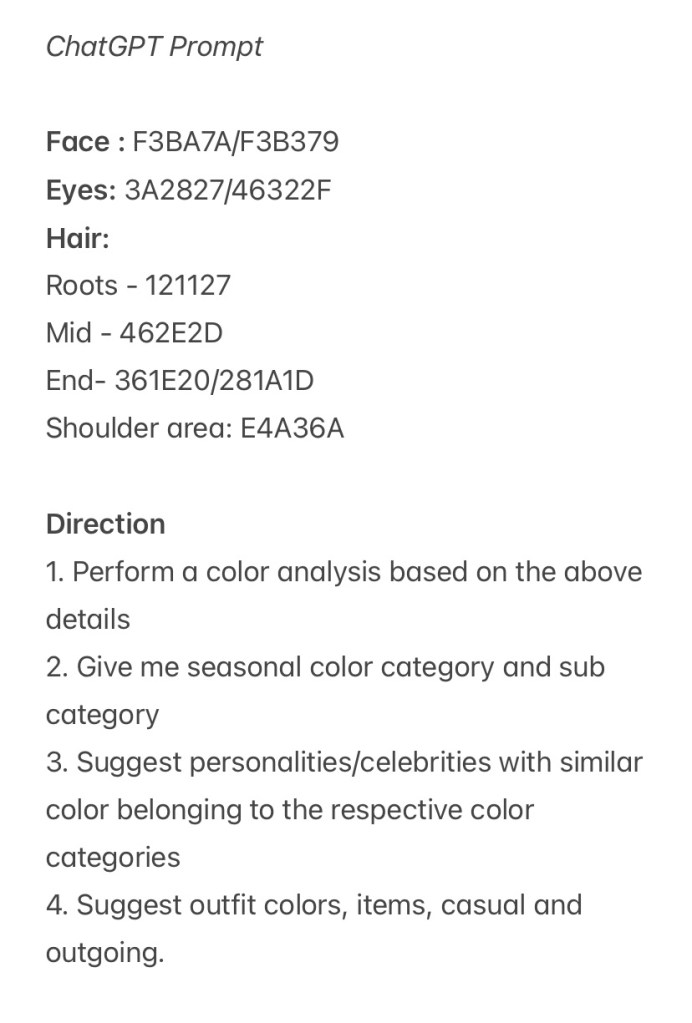
Input Color Details: Present the Hex codes to ChatGPT along with descriptions of where each was taken (e.g., “Hex #C3B091 from my forehead”).
Ask for Analysis: Request ChatGPT to analyze these colors in the context of seasonal color analysis. For instance, you can ask, “Based on these Hex color codes representing my skin, hair, and eyes, which seasonal color palette would suit me best?”
Step 4: Receive Recommendations
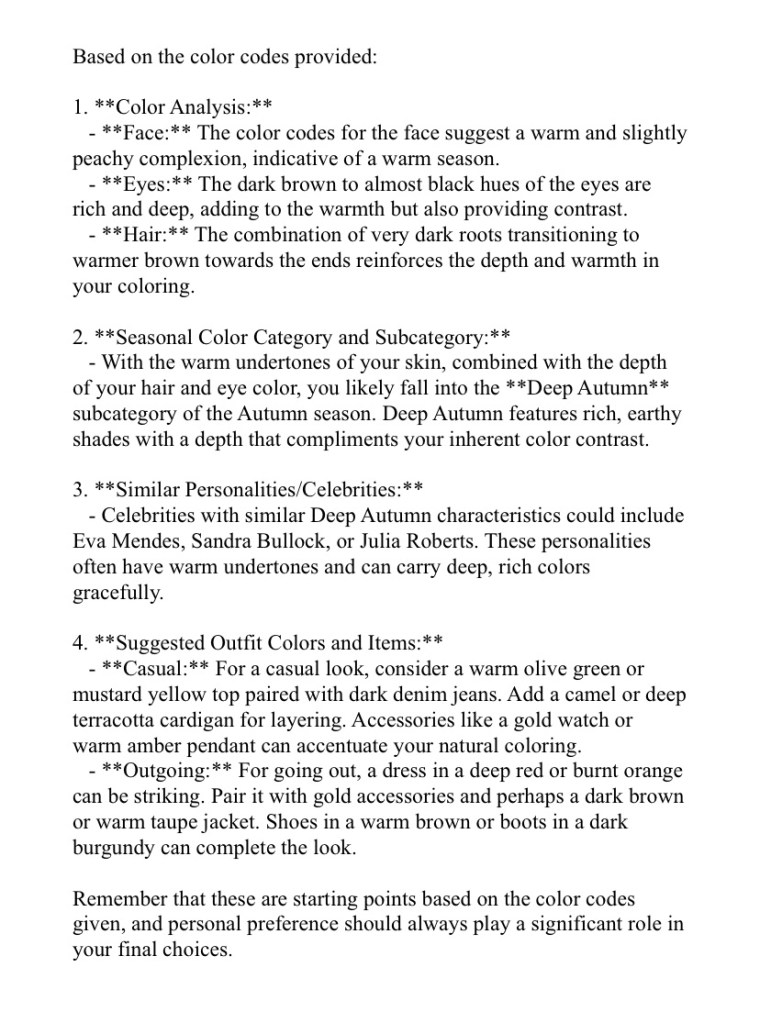
Get Seasonal Color Palette Suggestions: ChatGPT will use the color codes and their contextual data to suggest a season that likely matches your natural coloring.
Ask for Specific Advice: Further inquire about specific colors and how to use them. For example, “Can you suggest specific colors from my season for my wardrobe?” or “How can I blend my current wardrobe with my seasonal colors?”
Step 5: Apply the Insights
Test and Refine: With the suggested palette, experiment by trying on clothing or holding fabric swatches in these colors against your skin in good lighting. See which colors make your complexion look vibrant and healthy.
Seek Feedback: If possible, get feedback from others or take more photos to see how you look in different colors from your suggested palette.
To further enhance your personalized color analysis using ChatGPT, you can also ask for celebrity style inspirations that align with your identified seasonal color palette. Here’s how you can approach this to get actionable and inspiring suggestions:
How to Request Celebrity Style Inspirations from ChatGPT
Identify Your Seasonal Color Palette: Once you’ve completed the analysis using your Hex color codes, and you have an idea of whether you’re a Winter, Spring, Summer, or Autumn, you can move on to finding style inspirations.
Request Celebrity Matches: Input a request to ChatGPT like this: “Can you suggest some celebrities who are [your season] and what colors they wear best?” For example, “I’ve identified as a Cool Winter—can you list some celebrities who are Cool Winters and what typical colors they are known to wear?”
Get Specific Style References: You can also ask for specific occasions or types of outfits that these celebrities have worn. For instance, “What are some iconic outfits worn by Cool Winter celebrities?”
Example of ChatGPT Prompt and Response
Assuming you’ve asked GPT for a color analysis:
Prompt :
Response:
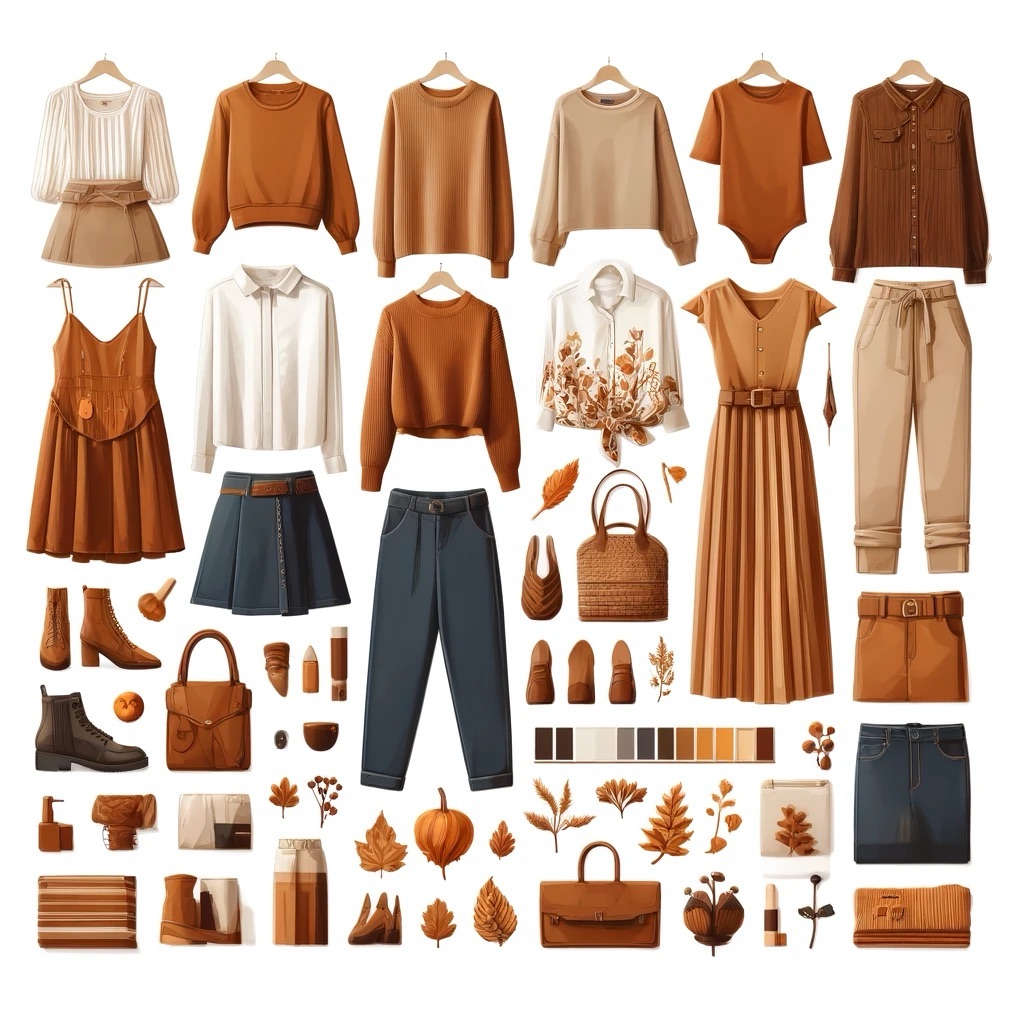
Why Use Celebrity Inspirations?
- Visual References: Celebrities are often styled by professionals, providing high-quality visual references for how certain colors can look on someone with a similar seasonal palette.
- Fashion Inspiration: Looking at celebrity styles can give you ideas for how to incorporate similar colors into your own wardrobe, whether for everyday wear or special occasions.
- Confidence in Color Choices: Seeing a well-known figure wearing colors from your palette can boost confidence in trying out these colors yourself.
This approach not only makes the concept of seasonal colors more relatable but also adds an element of excitement by connecting your style choices with those of admired celebrities. Plus, it’s a fun way to see theory in practice and get inspired for your next shopping trip or wardrobe update!
Mostly Experiment and Have Fun
Try on the colors recommended by ChatGPT and observe which ones make your skin look radiant and which ones don’t flatter as much. It’s a fun activity to do with a friend, providing you both with a fresh perspective on what works best for each of you.
Remember, color analysis isn’t about limiting your choices but enhancing your wardrobe. If you find colors that aren’t traditionally “yours” but you love them, consider using them in accessories, or mix them with your recommended shades for a balanced look.
Embracing your seasonal colors can be a profoundly rewarding journey into self-discovery and style refinement. As you delve into the world of color analysis, you’ll find that understanding your natural palette can transform the way you look at fashion and how you choose your clothing and accessories. It’s about more than just looking good—it’s about feeling confident and expressing your individuality.
Use this guide as a starting point in your color exploration. The insights you gain from identifying your seasonal colors offer a framework, but they don’t dictate strict rules. Fashion is inherently personal and dynamic, evolving with trends, seasons, and, most importantly, your own taste and lifestyle.
Incorporating your seasonal colors into your wardrobe should be a creative and enjoyable process. Perhaps you’ll find a newfound love for shades you’d never considered before, or maybe you’ll discover innovative ways to mix and match these suggestions with the colors you already wear. It’s about finding a balance that works specifically for you.
Remember, the ultimate goal is not to overhaul your wardrobe overnight or feel constrained by color rules, but to enhance your existing style. Accessories, for example, are a fantastic way to introduce your seasonal colors subtly. A scarf, a piece of jewelry, or even a belt in a hue that complements your natural coloring can make a significant impact on your overall look.
As you experiment with these colors, pay attention to how they make you feel. Do certain colors uplift your mood or give you a boost of confidence? These emotional responses are key indicators that you’re not just dressing for appearance but for well-being.
Disclaimer: This article provides insights into using ChatGPT for seasonal color analysis as a fun and informative tool. While we strive to offer helpful guidance based on your natural features, please note that ChatGPT’s suggestions are generated through AI algorithms and may not fully capture the complexities of human coloration. The recommendations should serve as a starting point for your personal exploration into color theory. We encourage readers to consult professional color analysts for a more tailored and comprehensive assessment. Additionally, colors and style are highly personal choices, and we advocate for expressing your individuality regardless of any color rules.


 Whimsical Connotations